Geoffrey Miller Solicitors

Neurodiversity and the Role of the Appropriate Adult in Police Custody

June 27, 2025 by Motor Offence in category High Court News with 0 and 0
Home > High Court News > Neurodiversity and the Role of the Appropriate Adult in Police Custody

nuerodiversity in police custody

More Than Just a Parent for Teens

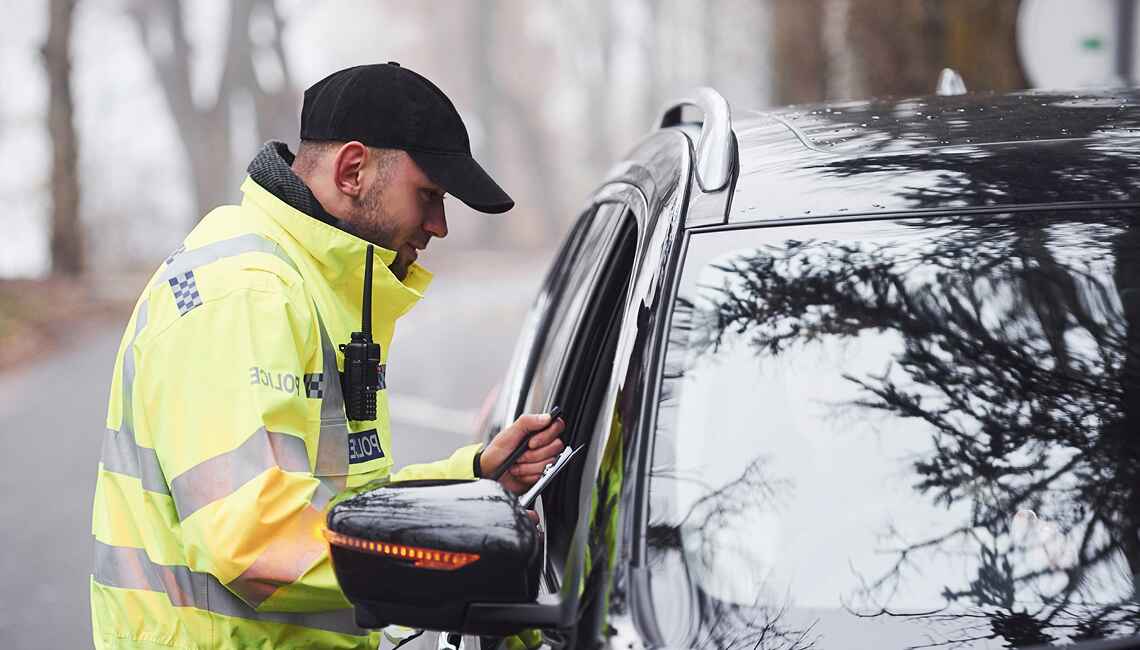
What most people don’t realise is that the role of the appropriate adult extends far beyond just supporting children in custody. We take a closer look at Neurodiversity and the role of the appropriate adult in police custody.

Adults with neurodivergent conditions such as autism, ADHD, learning disabilities, or other mental health vulnerabilities, are equally entitled to this protection under UK law. And when police officers fail to recognise this, the consequences can be devastating, not just emotionally, but legally.

If you’ve watched the hit Netflix drama Adolescence, you’ll remember the gut-wrenching scene where a teenage boy is arrested and his panicked father is called to the police station as his “appropriate adult.” For many viewers, this was their first real exposure to the legal concept: a protective figure brought in to safeguard the rights of a vulnerable suspect; most commonly someone underage.

What Is an Appropriate Adult?

An appropriate adult is not a solicitor and doesn’t give legal advice. Their role is to act as a safeguard to support vulnerable suspects and ensure they’re treated fairly during their time in police custody.

This includes helping the detainee:

  • Understand their rights
  • Participate in interviews and legal processes
  • Avoid self-incrimination through confusion or coercion

Appropriate adults can be parents, guardians, trained volunteers, or professionals but the key point is that they must be called in whenever the detainee is vulnerable.

Neurodivergence Triggers a Legal Duty

Too often, police officers focus only on age when deciding whether an appropriate adult is needed. But under PACE Code C paragraph 1.4, the legal duty is much broader:

“Whenever a custody officer has any suspicion or has been told in good faith that a suspect may be mentally disordered or otherwise mentally vulnerable, they must request an appropriate adult to be present.”


And even if a healthcare professional says otherwise, that does not override the police’s duty. In fact, PACE makes it clear:

“If at any time an officer has any reason to suspect that a person of any age may be vulnerable… in the absence of clear evidence to dispel that suspicion, that person shall be treated as such.” (PACE Code C 1.4)


So if a detainee tells the police they have autism or ADHD, that disclosure alone should trigger safeguards including:

  • An appropriate adult
  • Adjustments in how rights are explained
  • Extra care around interviews, testing, and procedures

Functional Assessments: What’s Really Needed

It’s not just about labels or diagnoses. A person with autism may present in a totally different way from another with the same condition. That’s why custody staff must also consider the need for a functional assessment; a review of how the person’s condition affects them in that specific moment.

Neurodivergence can impact attention span, communication style, understanding of consequences, or ability to process complex information under stress, all of which are highly relevant in the context of breath tests, interviews, and consent to provide samples.

Case Law: DPP v Miller [2006] EWHC 1219 (Admin)

This point was powerfully illustrated in the case of DPP v Miller. The defendant, who had a recognised mental health condition, was charged with failing to provide a specimen for analysis under the Road Traffic Act.

The police failed to recognise his vulnerability and did not call an appropriate adult. As a result, the High Court held that his rights under PACE had been breached. The absence of an appropriate adult meant that he had not been able to understand or engage properly with the request to provide an evidential specimen. The failure to provide charge that followed was ruled unsafe and he was acquitted.

The Court was clear: even where a detainee appears to be functioning reasonably, police must not assume capacity or understanding without proper assessment. Failure to follow Code C and safeguard vulnerable individuals will likely render evidence inadmissible or charges unsustainable.

Why This Matters in Drink and Drug Driving Cases

In cases where someone is arrested for drink or drug driving, a single breath, blood or urine sample and the context in which it was obtained can make or break the case.

If the person is neurodivergent and wasn’t offered the protections of an appropriate adult:

  • Their understanding of the legal consequences may have been impaired.
  • Any refusal to give a sample may not have been willful or deliberate.
  • Interviews or statements may be deemed unreliable or unfair.

When the police fail to follow the law, it can undermine the entire foundation of the prosecution.

This Isn’t Just TV-It’s Your Legal Right

While Adolescence offered a powerful and emotional portrayal of police custody and the role of an appropriate adult, there were many elements that we, as legal professionals, had to put down to poetic licence. Not everything depicted was strictly realistic but it did succeed in bringing the concept of the appropriate adult into public consciousness.

In real life, the situation is often more complex, especially for adults with neurodivergent conditions. The law is clear: they are entitled to the same safeguards as any other vulnerable suspect, and police officers cannot treat vulnerability as an afterthought.

Failure to assess and provide for these needs is not just unfair; it is often unlawful, as the case of DPP v Miller confirms.

If you or someone you care about was detained without the proper safeguards in place, whether due to ADHD, autism, or another condition, you may have a valid legal challenge.

Call Us Now Free on 0800 1389 123

Call Geoffrey Miller Solicitors 24 hours 7 days a week

Geoffrey Miller Solicitors are specialists defending drivers nationwide for all types of driving offences. Call our team of expert driving offence solicitors for some free initial advice.

You can also book an appointment with Jeanette Miller a.k.a. Miss Justice using our online booking system. If Jeanette is unavailable for your preferred date and time you can book an appointment with a member of our legal team. Please have as much information about your enquiry before the call e.g. Date of Hearing, Paperwork etc.

Add comment

Latest Testimonials

Latest Ref Me Clients

Latest Videos

is it legal bbc

Is it legal to drive barefoot? – Joelle Grogan from The Law Show investigates.

Dr Joelle Grogan from The Law Show interviews Jeanette Miller on BBC Sounds to ask if its legal to drive

Read More
offence

Will a drink or drug driving conviction prevent work within the financial services industry?

Watch our latest interview between Jeanette Miller and FCA expert, Clementine (Clemmie) Bowyer Director at Effecta Compliance Limited. Clients

Read More
DVLA Delays Watchdog

DVLA Delays Watchdog on the One Show with Jeanette Miller

Jeanette Miller talks about the DVLA delays in processing driving licence applications on Watchdog on the One Show. The Driver and Vehicle Licencing

Read More
totting up and exceptional hardship

BBC Breakfast News Interview – Motorists driving with 12 points or more due to exceptional hardship

Jeanette Miller talks to BBC Breakfast News regarding motorists still driving with 12 or more points on their licence due to exceptional hardship.

Read More
parking appeals

BBC Breakfast News Interview – Parking Appeals

Jeanette Miller talks live on the #BBCBreakfast couch about those pesky parking notices! The Ombudsman says appeals process is unclear and looks like

Read More
new drug driving laws March 2015

BBC Breakfast News New Drug Driving Laws Zero Tolerance Drugs March 2015

New drug driving laws will come into effect on March 2nd 2015. Jeanette Miller aka “Miss Justice” talks to BBC Breakfast about the new

Read More
car parking fines jeanette miller on BBC breakfast interview

BBC One Breakfast Interview with Jeanette Miller about Private Car Park Charges

Jeanette Miller talks to BBC Breakfast about private car parks charges and the current RAC report. Jeanette states that 45% of appeals was won in

Read More
speed cameras

Panorama – Traffic Fines – Highway Robbery?

Managing Director, Jeanette Miller appeared on BBC’s Panorama discussing traffic

Read More
drink driving

BBC Breakfast Pickles’ Proposals on Parking! 18 March 2013

Were Eric Pickles’ proposals to relax parking rules, simply political spin or are they workable sensible suggestions?! Motoring expert,

Read More
drink driving

BBC Breakfast News 26th December 2012

Jeanette Miller of Geoffrey Miller Solicitors appeared on BBC Breakfast News on 26th December discussing the proposed changes to drink drive laws in

Read More
drink driving

Geoffrey Miller Solicitors – An Introduction

Geoffrey Miller Solicitors are specialists defending drivers nationwide for drink driving offences, drug driving offences, dangerous driving,

Read More
drink driving

Why Do So Many Drivers Still Use Their Phones While Driving?

Leading motoring law solicitor, Jeanette Miller from Geoffrey Miller Solicitors discusses why many drivers continue to drive while using a mobile

Read More

Latest Radio

drink driving

BBC Radio Essex Interview with Jeanette Miller about Car cloning and the right to protest

Jeanette Miller talks to BBC Radio Essex about car number plate cloning which is on the rise with 12,300 instances between Jan 2021 and Sept

Read More
drink driving

LBC Radio Interview – Points for not wearing a seatbelt

Jeanette Miller is interviewed on LBC Radio discussing penalty points you can receive for not wearing a

Read More
drink driving

LBC Radio Interview about Self Driving Cars with Jeanette Miller

Are we going to be ready for self-driving cars by the end of the year? Jeanette Miller talks to LBC Radio about self driving cars which could be

Read More
drink driving

LBC Radio Interview about Automated Lane Keeping System (ALKS) Technology

MD Jeanette Miller talks to Nick Ferrari on LBC Radio about the government consultation to introduce Automated Lane Keeping System (ALKS) technology

Read More
drink driving

BBC Radio Wales Interview with Jeanette Miller about Speeding

Jeanette Miller talks to BBC Radio Wales about what should the punishment be for motorist who speed excessively and should the law for speeding be

Read More
drink driving

BBC Radio Kent Drink Driving Solicitors Interview

BBC Radio Kent interview with Jeanette Miller to discuss the drink driving limit and education towards drinking and

Read More
drink driving

Jeanette Miller talks to BBC Radio Wales about Speeding laws in England and Wales

Britain’s road policing chief says you should be punished if you break the speed limit by just one mile per hour. Jeanette discusses the potential

Read More
drink driving

BBC Three Counties radio interview about the war between motorists and cyclists

Listen to Managing Director, Jeanette Miller, discussing the war between motorists and cyclists on BBC Three

Read More
drink driving

Should the Drink Driving limit be lowered or even zero? – BBC Surrey Interview

Jeanette Miller is interviewed by BBC Surrey and talks about drink driving and should the drink driving limit be lowered or even to zero. Campaigns

Read More
drink driving

BBC Three Counties Radio Interview about Parking Fines and Challenging Parking Tickets

Jeanette Miller talks to BBC Three Counties Radio station about parking fines. The local government Ombudsman says that local councils are hitting

Read More
drink driving

BBC Radio Wales Interview with Jeanette Miller Festival No.6 Flooding in Portmeirion

Jeanette Miller aka “Miss Justice” talks to BBC Radio Wales regarding if the festival goers are entitled to any compensation. Hundreds of

Read More
drink driving

Is #Technology putting drivers in danger #TheDistractionFactor

Jeanette Miller talks about accidents and near misses caused by being distracted at the wheel by technology. Cars today have more modern gadgets such

Read More
geoffrey miller solicitors motoring law experts
CALL NOW 7 DAYS A WEEK FREEPHONE 0800 1389 123