
Guest post by Eleanor Taylor
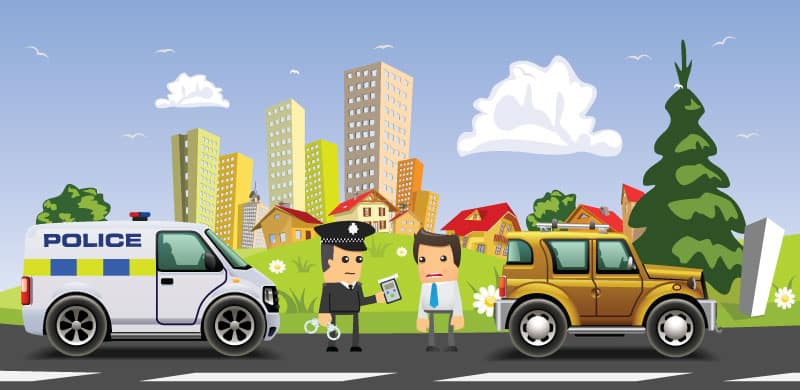
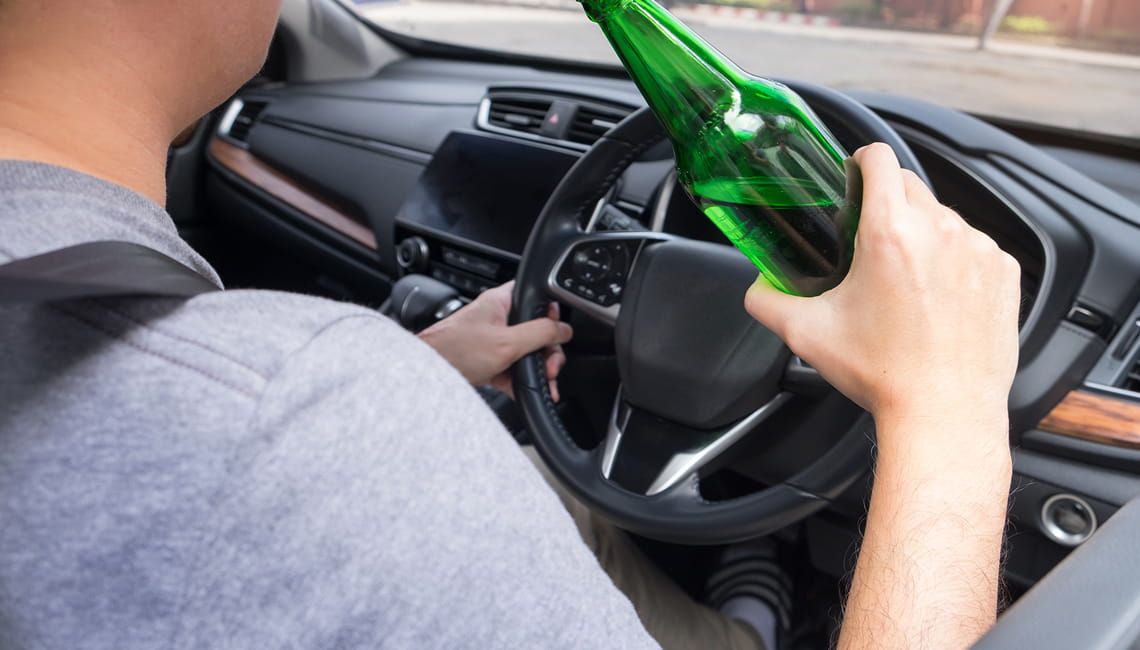
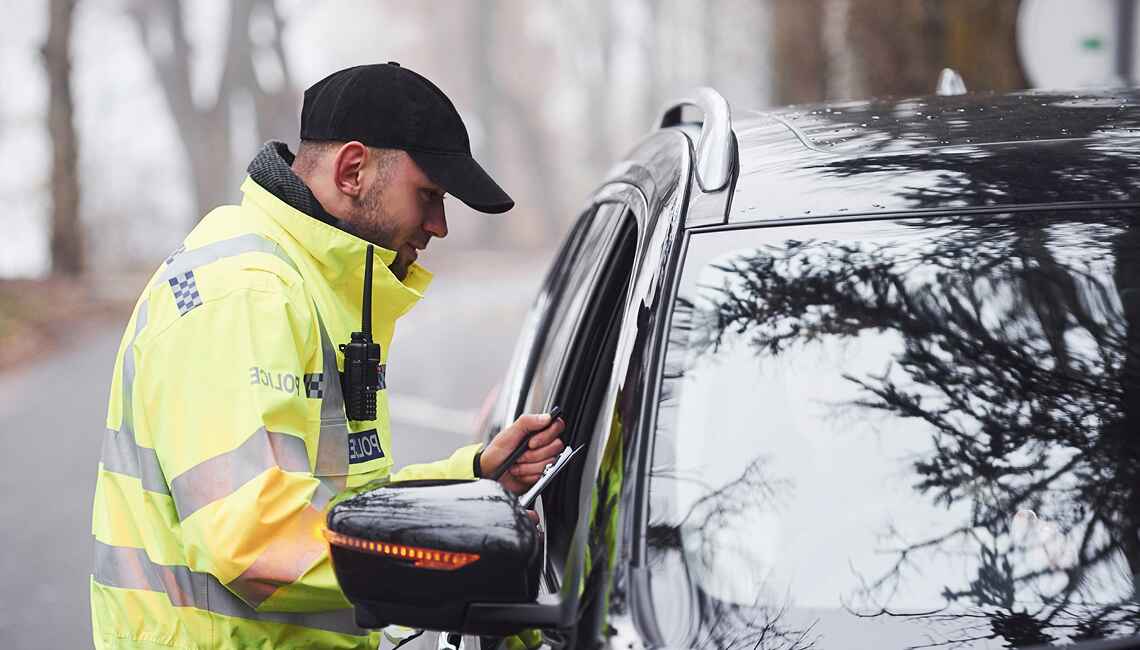
If you are arrested on suspicion of an alcohol or drug related motoring offence the police will have to call upon evidence of the level of alcohol or drugs in your system at the time of driving, “the evidential test”.
History
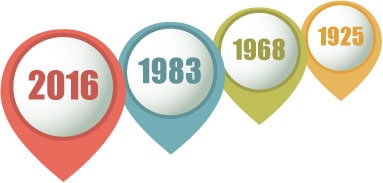 Even though cars were not invented until 1896 it was actually illegal to be under the influence of alcohol while in control of carriages, horses or cattle with the court having the discretion of imprisoning the offender for 1 month with hard labour if found guilty.
In 1925 the 12-month mandatory disqualification came into force which is still in place today.
Prior to 1968 there were no evidentially acceptable tests to discover the amount of alcohol that was in the alleged offender’s system. A conviction was purely based on subjective assessments and statements from witnesses (usually police officers).
This changed when Alcotest 80, a preliminary roadside test, was approved and alongside an advertisement campaign the amount of road traffic accidents involving alcohol dropped dramatically.
In 1983, the Lion Intoximeter 300 became the first approved evidential machine providing results that were accurate enough to be used as evidence in court. This machine lost its approved device ‘status’ in 2000 as it could not display a date in the 21st century.
How does evidential testing work?
Breath
 This is the most common type of evidential testing by the police in drink driving cases.
If arrested on suspicion of a drink driving offence, the police are likely to make a requirement to provide two specimens of breath into a “type approved” device. There are three machines that have been approved by the Home Office for use in criminal cases in the UK:
- Intoximeter EC/IR
- Lion Intoxilyzer 6000 UK
- CAMIC Datamaster
All of these machines have an internal sample which is tested between each breath specimen provided to ensure that the machine is measuring the level of alcohol accurately.
Once the specimens have been provided the machine will print out the results and the lowest reading will be used by the prosecution to show the level of alcohol in your system.
Did you know… that the legal alcohol limit for driving is 35 µg in 100ml of breath, however if your lowest reading is between 35 and 39 the officer has a discretion not to charge you.
Blood
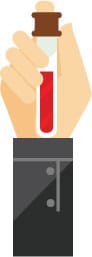 The law states that the legal limit of alcohol in blood is 80mg in 100ml of blood and the limit varies for drug driving depending on the drug suspected to be in your system.
You cannot be forced to provide a blood sample. However, if you do not have a reasonable excuse e.g. trypanophobia, which is a fear of needles and injections, you could be charged with failure to provide a sample, the minimum penalty for which is the same as the penalty for drink or drug driving.
Providing you consent to provide a blood sample, a sample is taken by a trained medic and collected into two vials. You will be offered a sample to have analysed. If you decline the offer of a sample, the police are entitled to destroy the second sample.
Blood samples are collected in drug driving cases but are more of a rarity in drink driving cases because the breathalyser is the most cost effective and quickest way to obtain an evidential sample in a drink drive case.
A blood or urine sample may be suggested by the police in drink driving when:
The two breathalyser results are too far apart (typically more than a 15% variance between the two samples will lead to a second sample of blood or urine being required.)
- There is no breathalyser available.
- The suspect has had to be taken to hospital.
- The suspect has a medical reason why they are unable to supply a breath specimen (asthma being the most common.)
Urine
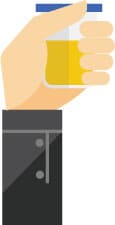 Urine is the least common evidential test used by the police as the officers quite literally have to get their hands dirty!
An officer has to witness an alleged offender urinating into a pot and they must then discard the first sample provided. This is because the urine in your system could have been collected there from hours before and therefore the alcohol measured in that sample will not be an accurate measurement.
Within an hour of the requirement, a further urine sample must be provided and split into two vials.
If you do not provide a further sample within the hour you could be prosecuted for failure to provide a sample.
Urine cannot be used for the new drug driving offence but could be used if the prosecution is for the old driving whilst impaired through drugs.
What is an approved device?
There are currently 3 approved devices. These devices had to undergo rigorous tests to obtain approval from the Department of Transportation. Without having the classification of being an approved device the results cannot be used in court as admissible evidence.
How can you defend?
As the approved device is certified by the Home Office there can be no argument of the suitability of the device as a defence. However, there are numerous other defence strategies we can explore to defend a drink driving charge. The reliability and accuracy of the machine can all be questioned as can the police procedures.
In 2015 we successfully defended 92% of our alcohol and drug driving trials.
Call Us Now on 0800 1389 123
Call Geoffrey Miller Solicitors 7 days a week
Geoffrey Miller Solicitors are specialists defending drivers nationwide for all types of motoring offences. Call our team of expert motoring solicitors for some free initial advice.










Add comment