

On Monday 23 March 2020, Boris Johnson advised that the nation was under lockdown to combat the coronavirus outbreak. People are only permitted currently to leave their home to:
- Buy food or medicine;
- Do exercise; or
- Travel to work as a key worker or where no alternative arrangements can be made.
The restrictions, whilst necessary in the attempt to minimise the impact of the virus, have had a massive impact on every facet of our day to day lives, substantially altering how we spend our time.
Since the lockdown began, alcohol consumption has surged in the UK as people began to drink at home following the mandatory closures of bars, clubs and restaurants. Online retailers have also seen a huge boost in revenue as people look for ways to get alcohol delivered to the door, to avoid the need to venture out and queue to get inside supermarkets.
Whilst we are all mostly confined to our homes, the change in circumstances can cause a lot of strain and additional challenges for people, and the impact of the lockdown may be overwhelming.
The World Health Organisation previously urged people to abstain from drinking alcohol while on lockdown, describing it as an “unhelpful coping mechanism”. The alcohol education charity, Drinkaware advises that the more people drink, the more tolerance is increased which may lead to dependency.
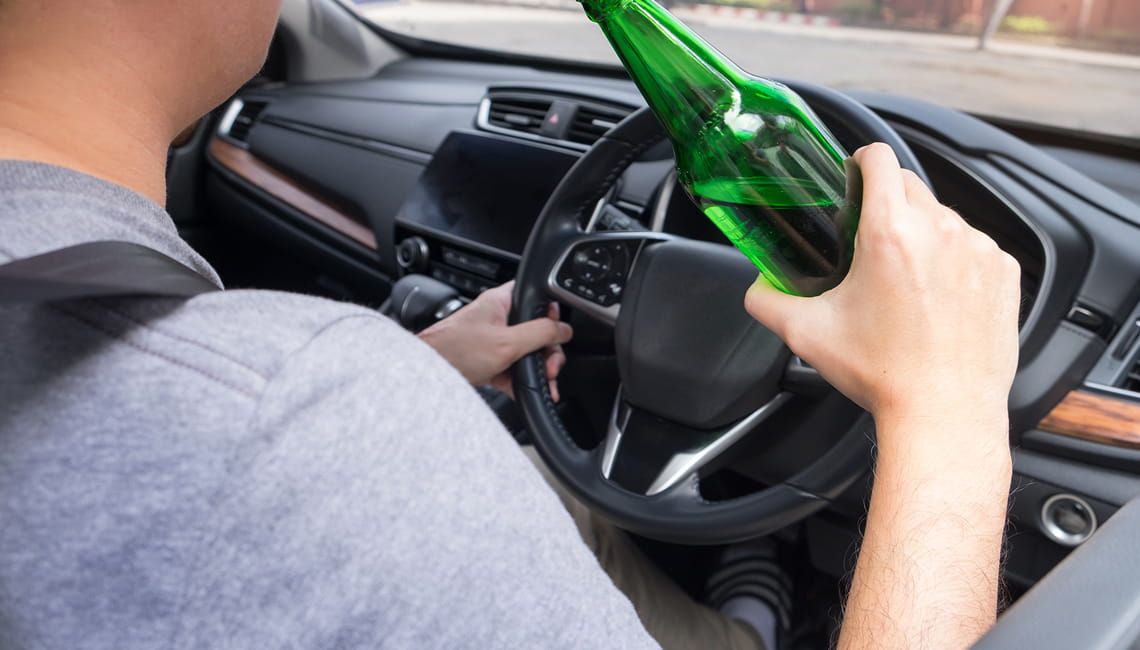
Drink driving
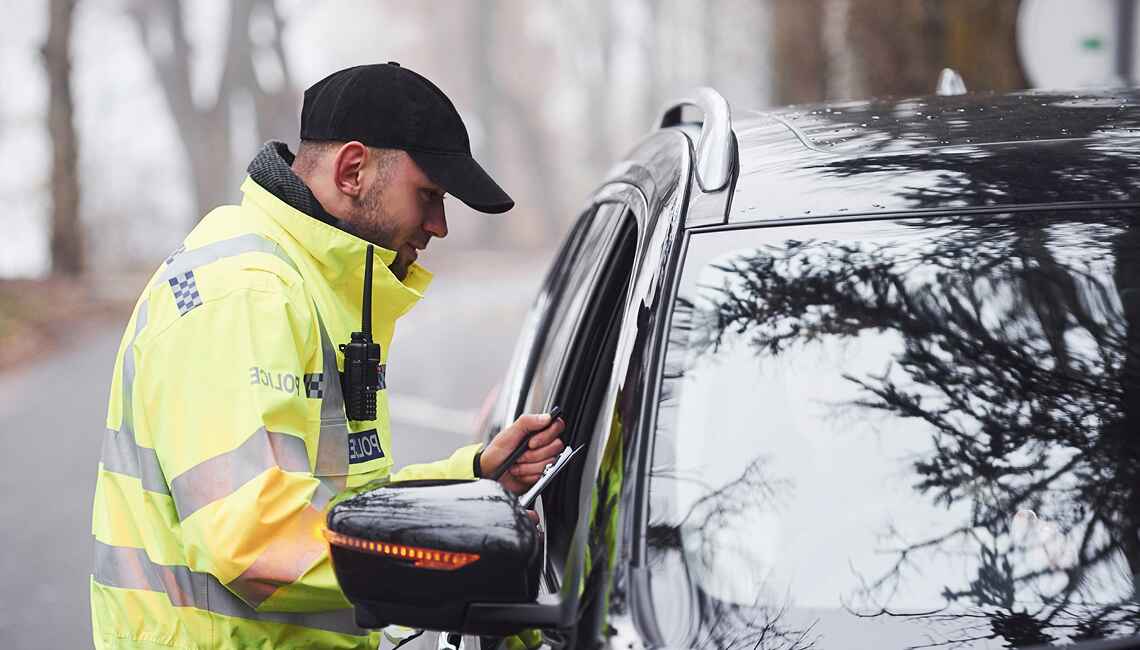
 Whilst the police are focusing their efforts on ensuring that the lockdown measures are being enforced, they are still keeping a close eye on the roads for any potential drink drivers. Drink drivers are still being taken to custody for the evidential breath test procedure and kept in overnight until the suspected breath alcohol levels have fallen below the legal limit.
As the lockdown continues, drink drive arrests appear to be slowly rising again as more and more people are being stopped on the roads. It can be easy to simply jump in the car the morning after drinking to go to the local shop, but still run the risk of being over the prescribed alcohol limit.
If you are detained in custody, in certain circumstances the police may wish to interview you to obtain further evidence. You are still entitled to free legal representation whilst in the station, and the police must ensure that there is a safe environment for you to receive legal advice (this may now be over the phone to ensure social distancing measures are respected).
Interviews can be conducted remotely, with pre-interview disclosure being provided to a representative over the phone so, if you wish to take advantage of the duty solicitor scheme, the solicitor will ensure that proper advice and representation can be given. In the vast majority of drink drive matters, an interview will not be necessary.












Add comment