
Lawyers love our abbreviations! We think this may stem from the need to take detailed contemporaneous notes of court proceedings, interviews and conversations. Very handy as a time saving skill but not so helpful for those with no legal background or experience in being at the centre of legal proceedings. When you’re under investigation or facing a court case, the legal shorthand can feel like a language of its own. This guide explains the abbreviations you’ll see in letters, emails, and court papers and who’s who in the process, so you can feel more in control.
Abbreviations A–Z (expanded, plain‑English explanations)
Some of these terms will feature more frequently than others but to help you to find what you are looking for, we have outlined the abbreviations alphabetically.
AAMR — Alcohol Abstinence Monitoring Requirement
A court‑imposed requirement not to drink alcohol for a set period. You may be fitted with a sobriety tag that checks alcohol in your sweat. Often used in drink‑related offences as part of a community order.
Important to know: Breaching an AAMR can lead to further penalties. If alcohol wasn’t a factor in your case, your solicitor can challenge its relevance.
ACPO — Association of Chief Police Officers
The former national policing body that published operational guidance (especially in motoring enforcement). Many documents still refer to ACPO guidelines, even though ACPO has been replaced by the NPCC (National Police Chiefs’ Council).
Important to know: Defence arguments sometimes rely on whether police followed (or didn’t follow) ACPO/NPCC guidance.
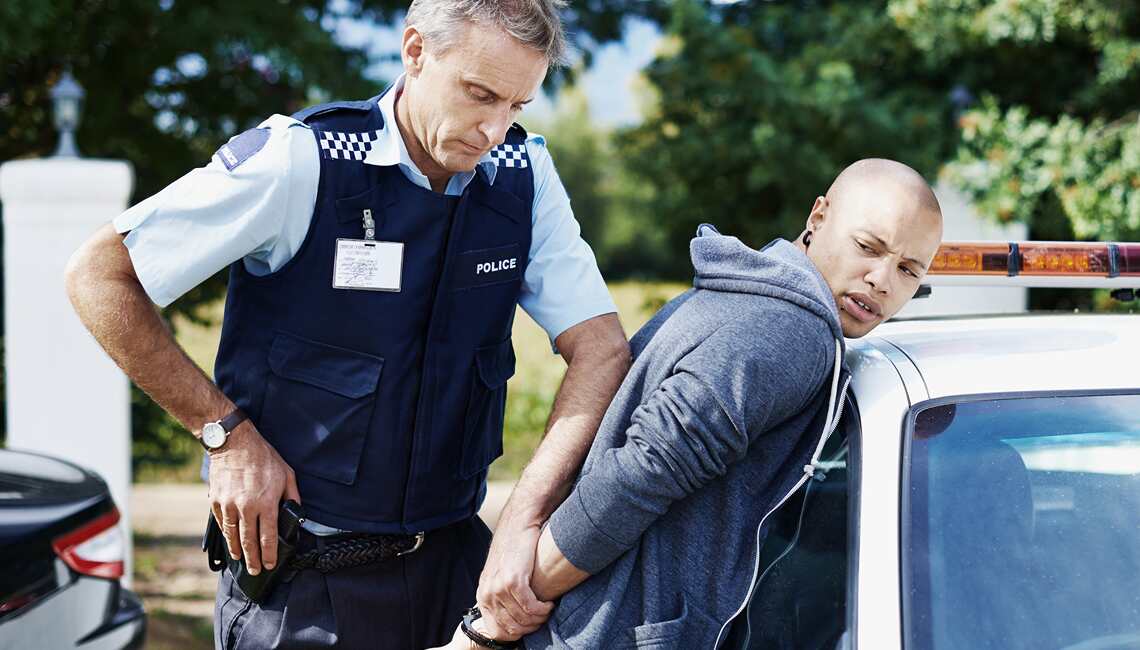
AO — Arresting Officer
The officer who arrested you. Their notes, timings, body‑worn footage, and decisions can be pivotal in your defence.
BAC — Blood Alcohol Concentration (or Blood Alcohol Calculations)
Measures alcohol in your blood, typically mg per 100ml. Used in drink‑driving cases; may come from breath, blood, or urine samples.
Important to know: Procedure and device accuracy are critical. Errors can make results unreliable.
BLA — Bench Legal Adviser
A legally qualified professional who advises magistrates on law and procedure during hearings in the Magistrates’ Court.
BWV / BWF — Body Worn Video / Body Worn Footage
Footage recorded by police officers. It can corroborate or challenge the events alleged.
Tip: Ask your solicitor about obtaining the BWV early—it can be make‑or‑break to defence strategy but be wary of a one size fits all approach. It can be important NOT to ask for the footage depending on the issues in the case.
BZE — Benzoylecgonine
A metabolite of cocaine detected in blood/urine. Often used to prove drug driving. The drug driving limit for BZE is one of the curious limits introduced in 2015 for illegal drugs as part of a zero tolerance approach to drug driving. It is curious because BZE has no active impact on the brain and when found in the blood stream would present no risk to driving. Why it was chosen as a substance to criminalise is a bizarre and unexplained decision by the lawmakers who introduced the limits. The good news is that the analysis of BZE is open to significant challenge.
CCTV — Closed Circuit Television
Video evidence from public or private cameras (shops, petrol stations, roads). May need to be requested quickly before it’s overwritten.
CICA — Criminal Injuries Compensation Authority
The government body that compensates victims of violent crime.
CC — Crown Court
Deals with more serious cases and appeals from the Magistrates’ Court. Trials are presided over by a judge and, for many offences, a jury.
CFA — Conditional Fee Agreement
A “no win, no fee” agreement used mainly in civil cases (e.g., personal injury). It is prohibited as a method of payment in criminal defence.
CJSM — Criminal Justice Secure Mail
A secure email system for legal professionals (solicitors, barristers, CPS) to exchange confidential case papers.
CP — Common Platform
The HMCTS digital system for managing criminal cases. Your case may be updated there behind the scenes.
CPS — Crown Prosecution Service
The public body that prosecutes criminal cases on behalf of the Crown. CPS lawyers are called Crown Prosecutors.
CPIA — Criminal Procedure and Investigations Act
The law that governs disclosure of evidence. What the prosecution must share, including unused material that could assist your defence.
Important to know: Proper disclosure can significantly change a case. We press for it in most cases for this reason.
CPR — Civil Procedure Rules
The rules for civil court cases (e.g., debt or personal injury). Mentioned if your situation crosses into civil claims.
CR — Custody Record
A detailed log created when you’re booked into police custody: arrival, risk assessments, calls, interviews, reviews, and healthcare. Vital for checking lawful detention and treatment.
CrPR — Criminal Procedure Rules
The procedural rules for all criminal cases in England & Wales. They guide deadlines, case management, and trial conduct.
CTO — Central Ticket Office
Processes fixed penalties and certain motoring matters (speeding, red light offences). Often your first formal contact after an alleged road offence.
DCO — Defence Costs Order
A court order allowing you to recover some legal costs (at set rates) if you’re acquitted or proceedings are discontinued.
DJ — District Judge
A legally qualified judge who sits in the Magistrates’ Court (as opposed to a bench of lay magistrates).
DP — Detained Person
You, if you are held in custody. Your rights include free legal advice, rest, food, and medical care as appropriate.
DVLA — Driver and Vehicle Licensing Agency
Holds driver and vehicle records. Involved with licence points, disqualifications, and medical fitness to drive.
DDRC — Drink Driver Rehabilitation Course
A course you can be offered on conviction for drink‑driving; completing it can reduce the length of your disqualification.
F2F — Fail to Furnish (driver details)
An offence (often called a s.172 RTA offence) where the registered keeper doesn’t identify the driver when required, commonly after a speeding notice.
Warning: Carries significant points and fines; in some cases, it’s more serious than the original speeding allegation.
F2P — Failure to Provide (a specimen)
Failing or refusing to provide breath, blood, or urine when lawfully required. Where the failure involves a refusal penalties can be harsher than for providing a positive sample.
FME — Forensic Medical Examiner
A doctor called to assess your fitness for interview, or to take samples (e.g., blood in drink/drug driving investigations).
FPN — Fixed Penalty Notice
A set fine for certain offences. Accepting it can avoid court, but it is effectively an admission for the purpose of penalty points.
GP — General Practitioner
Your family doctor. Medical records may support your defence (e.g., anxiety, phobias, medical conditions affecting testing).
GP — Guilty Plea
When you accept the charge and plead guilty the court will decide on your sentence usually at the same hearing as when your plea is entered or they may adjourn the case so that the probation service review your case and produce reports with recommendations for sentence. This is usually in more serious cases and will likely mean a second sentencing hearing.
HCP — Health Care Professional
A medically qualified person (nurse/paramedic/doctor) who may attend at the police station to assess or sample you.
HMCTS – His Majesty’s Courts and Tribunal Services
HM Courts & Tribunals Service (HMCTS) is a UK government agency that administers the criminal, civil, and family courts, plus tribunals, across England, Wales, and some parts of the UK, supporting an efficient justice system for the independent judiciary by managing operations, digital services, and user access
HORT1 — Home Office Road Traffic Form
A notice requiring you to produce your driving documents (licence, insurance, MOT) within 7 days at a police station.
HORT5 — Home Office Road Traffic Form
This is a form completed by the HCP when blood is taken as part of an investigation as part of the process of demonstrating consent was validly obtained to take blood. The nurse/ health care professional should complete the form.
IDPC — Initial Details of the Prosecution Case
The early evidence served by the CPS/police (e.g., summary, witness details). This can vary in content and is sometimes no more than a case summary. In some cases it can include witness statements, footage and a fuller picture of the prosecution evidence in the case.
LA — Legal Adviser
The court lawyer who advises magistrates on the law during hearings (also called Bench Legal Adviser).
MC — Magistrates’ Court
Where most criminal cases start and many conclude. Handles summary and either‑way offences (most motoring offences) and preliminary hearings for serious matters.
MG5 — Police Case Summary
A document summarising the prosecution’s case—what happened, who’s involved, and what evidence exists.
MG11 — Witness Statement
A formal written statement from a witness. If the witness attends court, they may be cross‑examined on it.
MG12 — Exhibit List
A list describing the physical/digital items the police intend to rely on (e.g., CCTV, body‑worn video, documents).
MG14 — Hearsay Application
An application to rely on hearsay evidence (e.g., where a witness cannot attend court). The court decides if it’s fair to admit.
MG DD — Drink and Drug Driving Form
A police form that records the exact procedures followed in drink/drug driving cases. Errors here can undermine the evidence. There are several different versions of the form depending on the offence under investigation and the location of the investigation.
NFA — No Further Action
The case against you will not proceed. Always ask for written confirmation and data removal where appropriate.
NIP — Notice of Intended Prosecution
A formal notice (often following a road offence) that prosecution is being considered. Strict time limits apply to service.
OIC — Officer in the Case
The police officer in charge of the investigation and case management.
PACE — Police and Criminal Evidence Act 1984
The law governing police powers (arrest, detention, search) and your rights (legal advice, silence, appropriate adult, etc.).
PI — Personal Injury
A civil law claim if you suffer injury (physical or psychological), for example, in a Road Traffic Accident (RTA).
PC — Police Constable
A police officer rank; often the officers you meet during stop, arrest, or interview.
PET — Preparation for Effective Trial (Form)
A case‑management document that directs what the court and parties must do so a trial can run smoothly.
PNC — Police National Computer
A national database of convictions, cautions, and certain markers. Can impact bail, sentencing, or charging decisions.
POE — Proof of Evidence
Your account, taken by your solicitor, setting out your version of events to build your defence.
PSR — Pre‑Sentence Report
Prepared by probation to help the court decide on the most appropriate sentence (risk, rehabilitation, community options).
R — Rex (The King)
Appears in case titles (e.g., R v Smith), meaning the case is brought by the Crown.
RAR — Rehabilitation Activity Requirement
A requirement as part of a community order involving rehabilitative sessions or activities tailored to you.
RTC / RTA — Road Traffic Collision / Road Traffic Accident
Terms used for vehicle incidents, whether or not fault is determined.
RTA — Road Traffic Act 1988
The main Act covering road traffic offences (e.g., careless/dangerous driving, drink/drug driving).
RTOA — Road Traffic Offenders Act 1988
Sets out penalties, disqualifications, and procedures for motoring offences (e.g., points, totting up).
RUI — Released Under Investigation
You’re released (no bail conditions), but the investigation continues. You can still be charged later. Keep your contact details updated.
SFR1 — Streamlined Forensic Report (Stage 1)
A concise forensic report (commonly used initially in drug cases) confirming basic findings (e.g., presence of a drug).
SFR2 — Streamlined Forensic Report (Stage 2)
A fuller forensic expert report, often prepared if the defence challenges SFR1 or the issues are complex.
SJPN — Single Justice Procedure Notice
A notice for certain minor offences (e.g., speeding) allowing you to plead by post/online without a court appearance—unless you request a hearing.
URN — Unique Reference Number
Your case’s unique identifier. Quote it in any communication with the police, CPS, or court.
Who’s Who in the criminal justice process

Another daunting aspect of being involved in a prosecution is working out the different roles of the personnel involved in the case. We have provided an explanation to help you navigate your way through the legal minefield.
- Magistrates – Trained volunteers who decide guilt and sentence (in the Magistrates’ Court), guided by a Legal Adviser.
- Court Clerks / Legal Advisers – Legally qualified court officers ensuring hearings follow the law and correct procedure.
- Crown Prosecutor – A CPS lawyer presenting the case against you.
- Defence Counsel – Usually a barrister representing you in court, instructed by your solicitor.
- Solicitor – Prepares your case, advises you, and may represent you in the Magistrates’ Court.
- Duty Solicitor – A solicitor available at the police station/court to advise those without representation (often covered by legal aid).
- Defendant – The person accused of an offence (you or someone you support).
- Judge – A legally qualified professional who presides over cases (especially in the Crown Court), directs the jury, ensures fairness, and passes sentence if convicted.
- Jury – Twelve members of the public deciding guilt or innocence in Crown Court trials.
- Witnesses –
-
- Eyewitnesses: saw/know something relevant
- Character witnesses: speak to your good character
- Expert witnesses: specialists giving opinions on technical evidence
- Probation Officer – Prepares Pre‑Sentence Reports and risk assessments to assist with sentencing.
- Court Usher – Manages the courtroom, calls cases, and keeps things running smoothly.
- Court Interpreter – Provides translation so you can fully understand and take part in proceedings.
- Press Reporters – May attend and report where allowed by law and in the public interest.
- Members of the Public – Can observe most hearings unless restricted by law.
What to do if you’re unsure about anything
- Don’t guess. Ask your solicitor to explain in plain English.
- Keep documents. Letters, notices (NIP, SJPN), and emails may have strict deadlines.
- Act early. Early legal advice often changes outcomes, especially with disclosure, forensic challenges, and procedural errors.
FAQs
What does “R v [Surname]” mean?
“R” stands for Rex (The King). It means the case is brought by the Crown against the defendant.
Can I challenge a BAC or drug result?
Yes—both procedure and science can be challenged (device calibration, sampling/timing, medical issues, chain of custody).
What if I missed a HORT1 deadline?
Contact a solicitor immediately; there may be steps we can take to mitigate or address the failure.
Do I have to accept a Fixed Penalty Notice?
No. You can reject and go to court—but get legal advice first to understand risks and benefits.
What’s the difference between RUI and bail?
RUI has no bail conditions, but your case remains open. With police bail, you’re released with conditions and must return on a date.

















Add comment