

The 17th of March is world sleep day, so what better time to discuss the relationship between 40 winks and driving?
Driving whilst tired
The first and most obvious connection is driving whilst tired. There have been several campaigns over the last few years encouraging people not to get behind the wheel when tired. There are adverts on the TV and, I expect much to the delight of Costa Coffee, Burger King and co, there are billboards at regular intervals on motorways, demanding that people stop at services for a break. The advice is to stop wherever is safe (in a layby or services, but not the hard shoulder!) have a nap of at least 20 minutes, and some coffee or equivalent caffeinated drink if available.
The difficulty would seem to be that it is not easy to quantify what constitutes tiredness and therefore show its effect statistically. However, several organisations have given it a go:
- The AA state that 1 in 8 UK drivers admit to having fallen asleep at the wheel and two-fifths state that they have been so tired that they were afraid they would fall asleep while driving.
- Brake, the road safety charity, estimate that 10-20% of crashes worldwide are caused by fatigue. The official police statistics on this are that 4% of fatal crashes are caused by fatigue, along with 2% of all collisions. Brake argue that this figure will be much higher in reality because, unlike drink driving, you cannot test for tiredness. This seems a reasonable point to make.
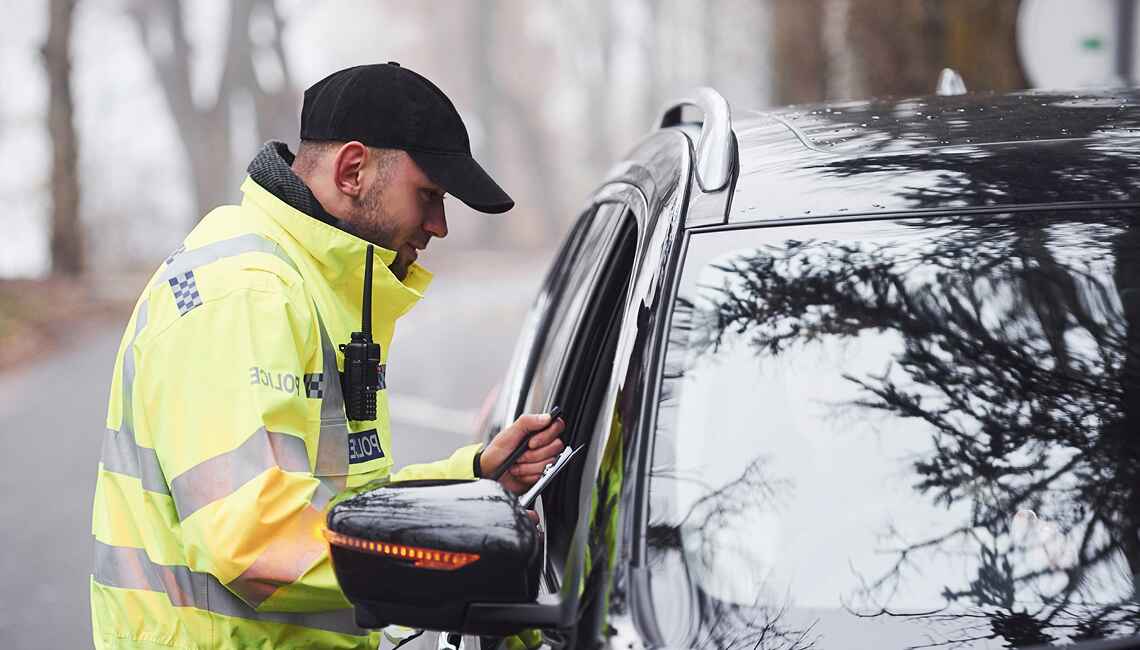
Regardless of whether you admit to being too tired to drive after a crash, tiredness is very likely to lead to a charge of either careless or dangerous driving. The list of mistakes you could make because of tiredness is endless and most would constitute an offence. These can include, but are not limited to:
All of the above could constitute driving that has fallen below the minimum standard expected of a careful, competent driver – the definition of careless driving. A conviction for careless driving can result in anything from 3 to 9 penalty points and a fine of between 50% and 150% of your weekly income.
With a similar definition to careless driving, dangerous driving carries much harsher penalties. For driving to be dangerous it must;
“fall far below the standard expected of a competent driver and it should be obvious to a competent driver that the manner of your driving would be dangerous”.Dangerous Driving
The penalty for this is a mandatory disqualification of at least 12 months, an extended driving re-test, and anything from a fine/community order to 2 years’ custody. It’s definitely worth taking that break!
HGV drivers
 The concerns around tiredness have led to very strict rules for professional drivers, particularly HGV drivers. They now have strict time limits imposed on their driving to make sure that they are safe and that they are not endangering other road users.
Lorry drivers have a limit of 9 hours driving time per day, this can be extended to 10 to allow for variation (only being half an hour from home when they hit 9 hours for example) but they can only do this twice a week. The maximum they may work in a week is 56 hours and no more than 90 in two consecutive weeks. There are also rules around breaks, they must stop for at least 45 minutes after a maximum of 4 and a half hours. Finally, over a 4-week period, professional HGV drivers must take at least 2 rest periods of 45 hours, and 2 of at least 24 hours.
There are strict penalties for not following these rules. Failure to observe driving times and failure to keep records (usually on a tachograph) of driving times, both carry a level 4 fine of up to £2,500. If you do not install a tachograph at all, deliberately do not use it, or refuse to hand over records that have been requested, the fine is unlimited. Finally, altering records or tampering with a tachograph could even land you 2 years’ custody.
HGV drivers are welcome to sleep in lay-bys or truck stops, but if on the side of the road they must leave their sidelights on. They are also prohibited from spending their whole weekly rest break (24-45 hours) in their cab.
Drunk in charge of a vehicle
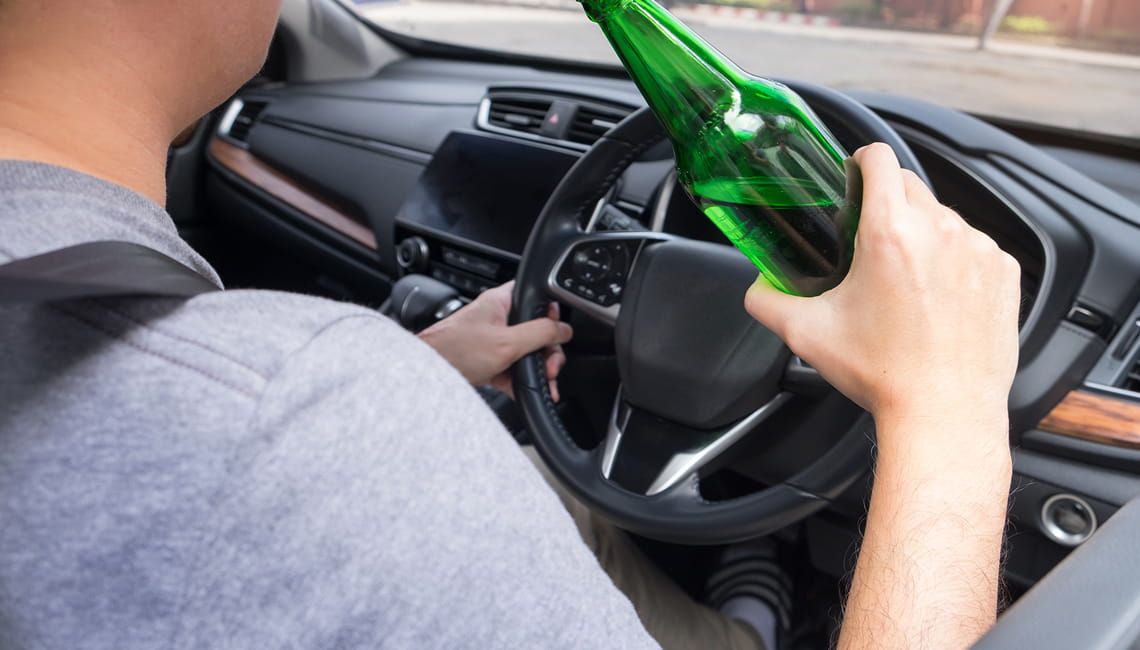
 Last but not least, when considering taking a kip, it would be remiss not to mention the main situation in which you must not get some shut-eye in a parked vehicle – when you are intoxicated. This is one of the most common reasons that people end up being arrested and charged with being drunk in charge of a vehicle. Sleeping in a car when drunk is a topic that has been somewhat clouded by myths and pub gossip. Some say that you’re ok if the key isn’t in the ignition, some say that not being in the driver’s seat will keep you in the clear and some believe that as long as the car remains switched off, the police won’t bother. The truth is that these kinds of factors could all be important but none are an absolute golden ticket to avoid conviction.
The law does not give us clear criteria for what constitutes drunk in charge. “In charge” suggests a level of control over the vehicle, so, if you are in the driver’s seat with the engine on, parked on the side of the road, you are likely to be charged. In that situation, accidents could happen that affect other road users, so this makes sense. Essentially, the further you get from that, the better. If your keys are in a bag in the back of the car and you are asleep on the back seat, in a car park, away from the road, you are much more likely to avoid charge or have a defence. The statutory defence for this is to prove, that it is more likely than not, that there was no likelihood of you driving the vehicle whilst you remained over the prescribed limit of alcohol. The penalty for being drunk in charge is 10 points or a disqualification from driving and a fine or community order, or even 6 weeks’ custody. It is simply not worth the stress, drawn-out court proceedings, or penalties, to have that post-pub car nap.
















Add comment