

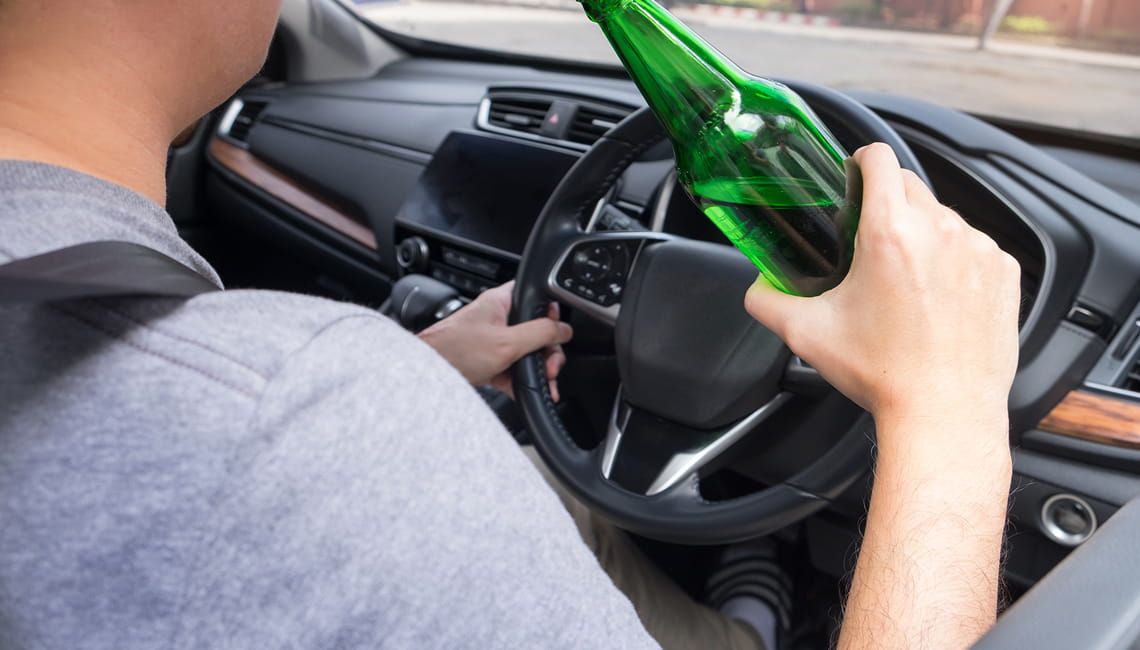
A twelve-month driving ban can drag almost as much as the month of January. However, taking part in a drink driving rehabilitation course could get you back on the roads in time for Christmas!
Who is the course for and when?
All defendants who plead guilty or are found guilty of an alcohol related offence including and most commonly, the offences of drink driving, failure to provide or, drunk in charge are eligible for a drink driving rehabilitation course. In order to qualify, the ban imposed must be for a period of twelve months or more. For drink driving and failure to provide this is the statutory minimum length of ban. However, for drunk in charge, a 12 month ban is rarer and more commonly imposed where previous convictions and/or in cases where there is a very high reading or aggravating features.
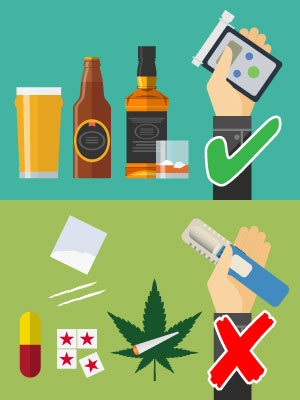 The drink drive rehabilitation course is offered at the court’s discretion, during sentencing and the offer and terms of the course must be accepted there and then. If you reject the offer of a course, you can’t change your mind at a later date!
Sadly, there is not currently a version of this course tailored to drug driving offences so, if you are convicted of a drug related offence, there is no opportunity to further reduce your ban by way of a course.
There are no set rules on when the course should not be offered. In our experience, a court may refuse to offer the course if you are convicted of a repeat offence and have already completed the course previously and recently. However, there is nothing in the rules that prevents the course from being offered a second time.
Although a rarity, the offer of a course has been withheld in cases where a defendant has defended the charge but been convicted after a trial. Most defendants will be offered the course even in this situation. However, if a judge or magistrates refuse to offer the course, there is no way of appealing this decision as it is entirely at their discretion.
Reduction & Benefits
 This is the good bit! Upon completion of the course, within the timeframe specified by the court, your driving disqualification will be reduced; usually by up to 25% (for example, 3 months reduction for a 12 month ban).
On top of that, the course provides an increased knowledge of road safety with a particular focus on a driver’s wider impact on society. The syllabus includes information about the cost; both personal and societal, of a crash for example, and how best to make sure these tolls are avoided. The course also provides help and support based on the situation that many of its participants are in. This includes information about what it means to be convicted and how to deal with it, even if it has happened more than once. Similarly, it provides help with reapplying for your licence, along with when to do so when the time comes. Finally, once you are driving again, participation can help with insurance premiums that have a habit of going up in these situations.
Costs
 Unfortunately, all of these benefits do not come for free. The course does need to be paid for by the offender. The price varies by provider and area, up to a maximum of £250. The reduction in the ban will not apply until the course has been paid for and completed satisfactorily. Some courses require payment in advance. There are some, however, that will allow payment in instalments. You will need to discuss this with your course provider.
The Process
A quick run-down of the process and steps involved:
- Before court – choose a course provider in advance, provided you are intending to plead guilty, so that you are ready to choose one if it is offered;
- At court – accept the offer, quick!
- The court will then send your details to the provider;
- The provider should send to you the available course dates and the deadline for completing it.
The Course
Once you have your dates and deadline, it is up to you to get the course completed in time. The course takes place face to face over a 16 hour period, often split into 3 days over three weeks. You will be completing the course with others in a similar position.
The course itself is split into two units titled:
- Understanding the impact of alcohol use in relation to driving; and
- Change alcohol use in relation to driving.
For obvious reasons, there is a general focus on alcohol use in both units. However, there are wider benefits to be gleaned from the syllabus. The first unit contains a lot of helpful information, the highlights of which were discussed above. Then, the second unit teaches useful techniques for achieving goals, making life changes, and maintaining them. Though aimed at driving and alcohol, these could also be applied in many other areas; perhaps some of those new year’s resolutions for example!
Finally, the syllabus also makes it clear that this course is not simply a 16 hour “telling-off.“ The trainers are there to present knowledge and experiences and listen to participants, identify obstacles in their lives, and help to overcome them.
The Final Step
 Once the course is completed, you will receive a certificate and the course provider will let the court know that it has been done. The court will then alert the DVLA, who will reduce your disqualification.
There is a condition for all participants to attend the course in a sober state. If you do not comply with this requirement, even if you attend and complete the course, the course provider could refuse to provide a certificate of completion.
It is important to remember that the ban won’t be reduced unless you have both paid for the course and fully completed it satisfactorily. As long as that is done, you’ll be back in the car at least three months earlier!
High Risk Offenders
Even if you complete the course satisfactorily, if you fall within the definition of a high risk offender, you will still have to undergo medical tests before you can drive again.
The definition of a High Risk Offender is outlined in Regulation 74 Motor Vehicle (Driving Licences) Regulations 1999
74. — (1) Subject to paragraph (2), the circumstances prescribed for the purposes of subsection (5) of section 94 of the Traffic Act, under subsection (4) of that section, are that the person who is an applicant for, or holder of, a licence—
(a) has been disqualified by an order of a court by reason that the proportion of alcohol in his body equalled or exceeded—
(i) 87.5 microgrammes per 100 millilitres of breath, or
(ii) 200 milligrammes per 100 millilitres of blood, or
(iii) 267.5 milligrammes per 100 millilitres of urine;
(b) has been disqualified by order of a court by reason that he has failed, without reasonable excuse, to provide a specimen when required to do so pursuant to section 7 of the Traffic Act; or
(c) has been disqualified by order of a court on two or more occasions within any period of 10 years by reason that—
(i) the proportion of alcohol in his breath, blood or urine exceeded the limit prescribed by virtue of section 5 of the Traffic Act, or
(ii) he was unfit to drive through drink contrary to section 4 of that Act.













Add comment