
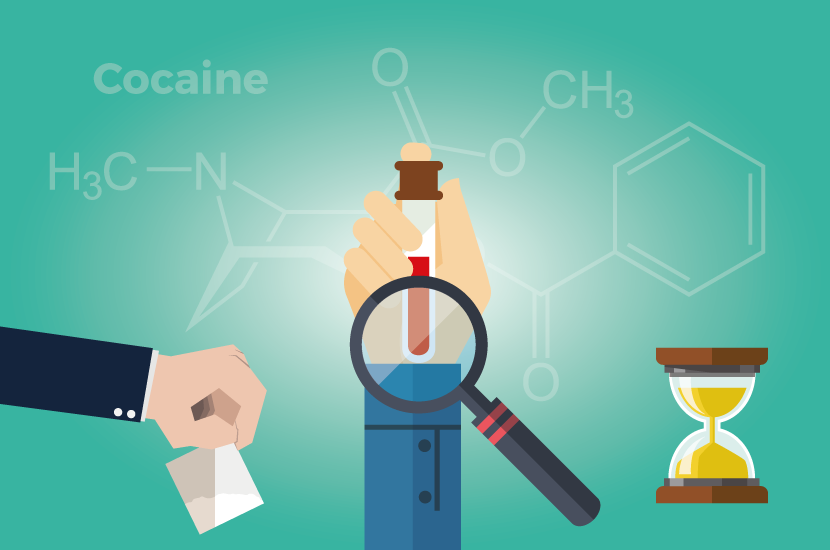
The storage of a blood sample can be a key issue in a drug driving case. This is especially so if the blood sample has been analysed for cocaine.
Benzoylecgonine (BZE) is the end product following the metabolism of cocaine. This means that when your blood specimen is tested by the laboratory, the result can identify two readings that are both above the legal drug concentration limit despite the suspect not having consumed two separate substances.
The current legal limit for cocaine in blood is 10 µg/L with Benzoylecgonine being 50 µg/L. The penalties for drug driving are severe – ranging from a mandatory minimum disqualification of twelve months and a fine of up to 150% of your weekly income to a possible prison sentence. For repeat offenders within a 10 year period the minimum disqualification imposed would be increased to three years.
The sentencing guidelines do acknowledge that cocaine and BZE are to be treated during consideration of sentence as one drug rather than two illicit substances in your body, as failure to recognise this could be a factor that increases seriousness.
Understanding the drug driving blood sample reading
 When the blood sample is taken either at the police station or at the hospital, it does not get tested at that location. The blood specimen should be stored by police in accordance with strict conditions (in a fridge or freezer).
It is then transported to a forensic laboratory where it is stored, handled and eventually analysed by the laboratory. The analysis could take place weeks or, in some cases, months from when a specimen was first obtained. we have seen a significant rise in cases where the specimen was not analysed until many months after arrest which we put down to backlog is caused by Covid. Many of the laboratories that are testing samples for the police are also involved in Covid testing.
Does delay in testing a drug driving sample help my defence?
 There is scientific evidence that cocaine in the blood biodegrades into BZE following any prolonged or mishandled storage of the blood specimen. Cocaine does break down in the system quicker than other illicit substances like cannabis and BZE. In cases where a sample has not been analysed within 101 days of being obtained, it may degrade from cocaine into BZE which would in essence, artificially lower the concentration of cocaine but artificially increase the BZE concentration. It all depends on how your sample has been stored after being obtained, during transportation and before being analysed at the laboratory.
To use delay as part of a drug driving defence, we involve forensic expert toxicologists to consider this issue in the context of how the blood was taken, stored and analysed by the laboratory. The analysis must be a safe and reliable result for the Crown Prosecution Service to rely upon it in securing a conviction and so if there is an issue with delay and deterioration of a sample, this will likely be a defence that will come into play at trial.
The drug driving offence is still relatively new having been introduced in 2015. Although we are unable to argue that a driver’s non-impaired state should be considered a defence, there are a host of other defence issues that we have been able to employ to achieve the acquittal of the vast majority of our clients facing this charge.
We have also produced several other blogs that may be of assistance to you as you do your research into the drug driving offence.
Nothing beats speaking to a member of our talented legal team to understand exactly what your options are and how we can deliver your objectives. So please do get in touch at the earliest point in your case. We are often appointed to explore defence options even before a charge has been raised. This puts us in the strongest position possible for when court action begins.

















Add comment