
With a zero- tolerance approach to illegal drugs being taken by the Government, you would be forgiven for assuming that the priorities were focused more on outsmarting drug users under false pretences, as opposed to trying to improve road conditions for the general public. These ‘blood limits’ for the most common drugs used in the UK (Cocaine, Marijuana, Heroin and Ketamine) are so low, that they would register in an administered test long after any impairment on driving abilities had subsided. But is there any method in the Government’s madness?
Quite questionably, those who can produce a prescription or aptly labelled pill bottle for the six ‘regulated’ benzodiazepines and two opiates, will be allowed on the roads even though they are also likely to severely impair one’s driving; is this desirable considering marijuana is touted as one of the ‘least dangerous drugs’ and has been legalised across the pond in some states?
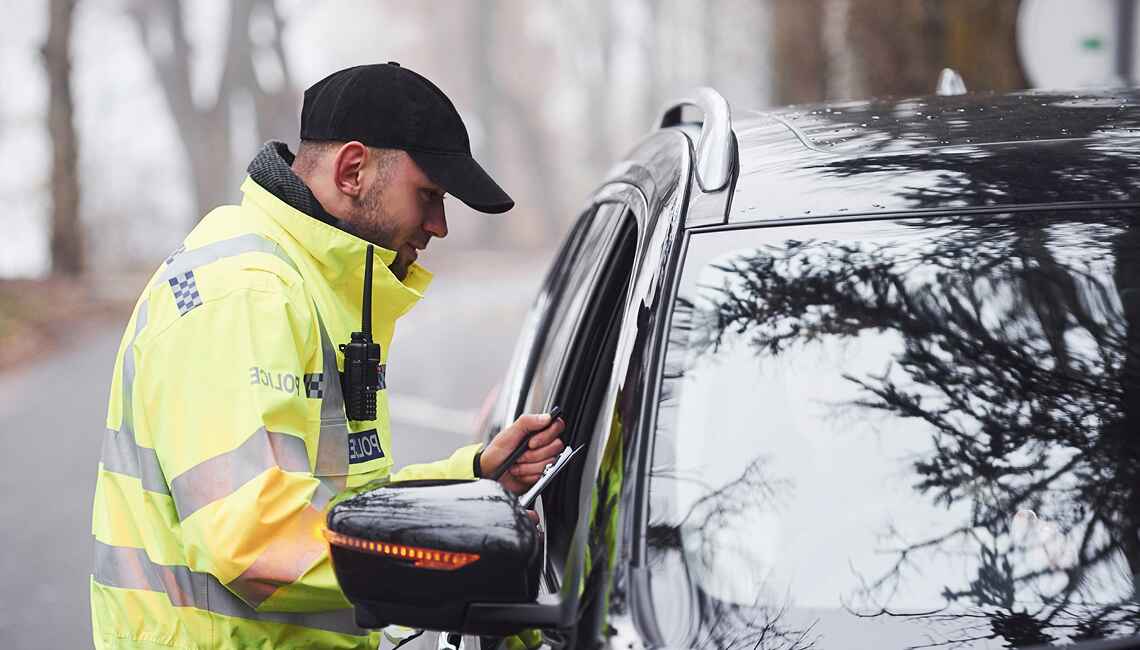
Today, police are equipped with roadside drug tests which can detect the presence of cocaine and THC (the primary psychoactive substance in marijuana).
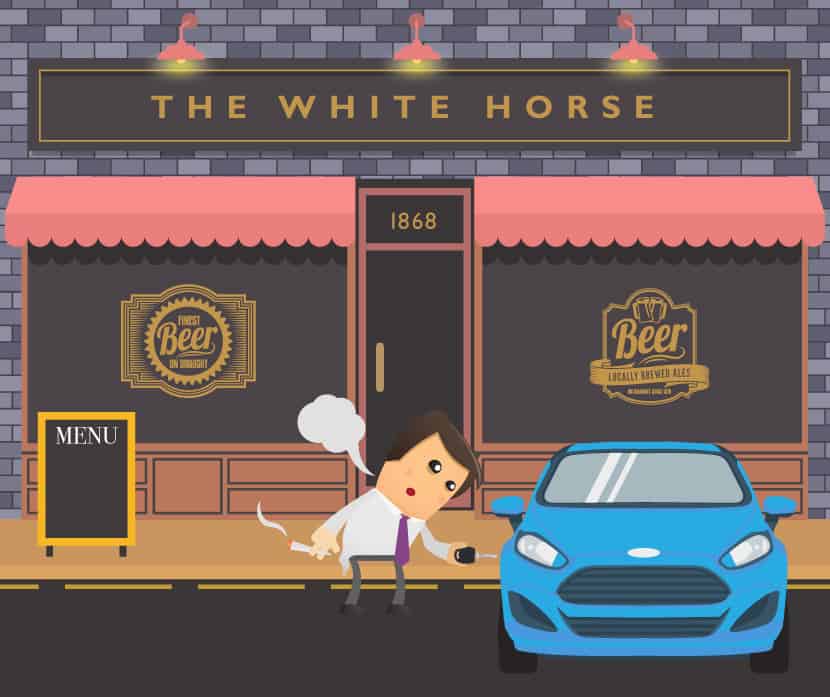
What is the current limit?
The limit for THC is set at 2 microgrammes per litre of blood. If you are caught over the permitted limit, you would be facing a mandatory disqualification of twelve months and a fine of up to 150% of your weekly income. In the event it was your second time caught, the disqualification period would be increased to three years.
The Government’s expert panel who advised on the limits for each substance indicates through their research that THC substance impairment effects decreases after a mere two hours and a half, so what’s all the fuss about?
Driving Impairment Studies
Regardless of the short active timeframe of marijuana, this will significantly impair a drivers’ judgement, reaction time and motor coordination. Numerous studies online purport to outline the undeniable correlation between marijuana use and impaired driving skills – even if it is ‘just one joint’.
This could lead to disastrous consequences. Users of marijuana are often described as ‘slower when high’. Therefore, behind the wheel, if you are faced with an emergency braking situation or you are required to respond to a roadside obstruction, your ability to respond will not be as quick as you may think. The number of individuals who assert that due to their long-term use, the high does not affect them as much anymore, may be mistaken.
An example of this can be a popularised European study which concluded that drivers who used marijuana (or drugs) are twice as likely to be involved in a collision with other road users; 2/3 of which were likely to be fatal[1]. Advocates of cannabis-legalisation from the United States have disputed studies such as this, as they outline that THC cannot be directly identified to be the cause of the impairment. This is because traces of the substance can be found for days after in the user; but the users’ driving is fine. In the case of more regular users, the traces may be detectable for weeks after – THC-COOH (the metabolite of THC) builds up excessively in hair follicles and skin cells even though a user may have abstained for a few weeks before testing[2].
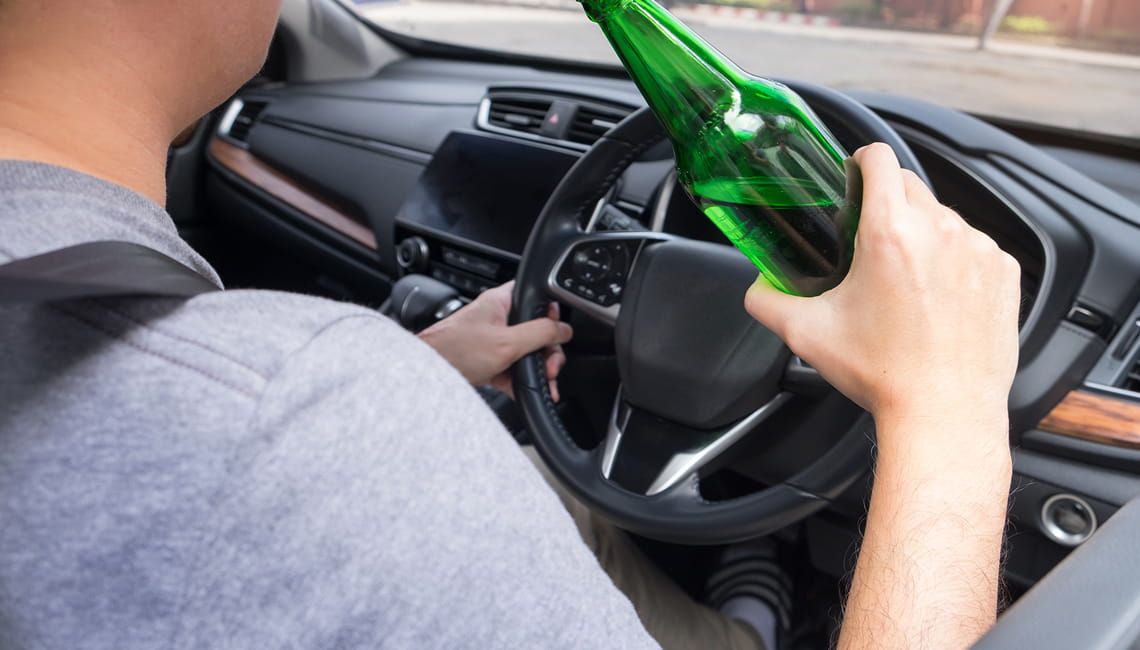
Dangers are even more great for those who mix cannabis with alcohol – the popular ‘cross-fading’ practice.
According to NIDA Australia, the mix has the ability to seriously fog a users’ mind – where behind the wheel, could result in a life or death situation. New figures released regarding the 2015 drink driving statistics outline that 4% of the total accidents involved a drink driver[3]. More worryingly, drug drivers have been indicated to be on the rise by 800% since the implementation of the new limits in March 2015. The cross-fading practice is done to achieve a more mellowed high – due to alcohol being a depressant, as is THC.
Marijuana effects of brain development and function
 Research conducted on animals and humans have both identified prolonged (and short-term) use of marijuana as having a significant impact on development and brain functions.
Cognitive impairments in adult rats are associated with ‘structural changes in the hippocampus’. The hippocampus regulates memory and emotional stability. This can lead to users being significantly more disassociated with reality and impairs long-term brain functions such as memory, learning and motoneuron responses.
Again, should the road conditions require your quick and immediate response, the THC will inhibit your ability to react quickly and appropriately. This therefore makes you a danger to others, but to yourself too! Drugs affect individuals in different ways and may affect first time users (or less frequent users) harder. That is not to say that longer-term users are any less susceptible – merely that they may not feel that way. As with any substance, it is a lot easier for a sober individual to identify someone who is high or under the influence.
As aforementioned, are the new limits truly there to regulate behaviours on the road and improve the driving experience for all OR are they there to try and catch drug users under false pretences? The answer is I do not know. But if I were to warrant a guess, I believe the true intentions are a hybrid of both. Driving anywhere under the influence of Valium will definitely not be safer than driving 36 hours after puffing on a joint – but the effects of marijuana use is clear; insofar as determining a positive correlation between reduced driving ability and use. Therefore, it’s probably best to steer clear of the next puff-puff-pass situation you’re confronted with!
1 Biecheler M-B, Peytavin J-F survey on “drugs and fatal accidents”: search of substances consumed and comparison between drivers involved under the influence of alcohol or cannabis.
2 Cary P-L for “The National Drug Court Institute: The marijuana detection window: determining the length of time cannabinoids will remain detectable in urine and blood following smoking” [2006]
3 Department for Transport, Illegal Alcohol Levels, second provisional estimate [2016]


















Add comment