

The drug driving offence was first introduced in 2015 with a number of set limits for 16 legal and illegal drugs. Screening drug tests can only detect the presence of a limited number of illegal drugs in the system.
Whether you are a regular drug user or you take drugs for recreational purposes you may want to have a better understanding of police powers and the ways in which an initial drug test can be carried out.
The powers to administer a roadside preliminary drug test are outlined in section 6 of the Road Traffic Act 1988.
Roadside preliminary drug testing devices were introduced to assist police in establish whether a person has a specified drug in their system whilst driving or being in charge of motor vehicle.
Police powers
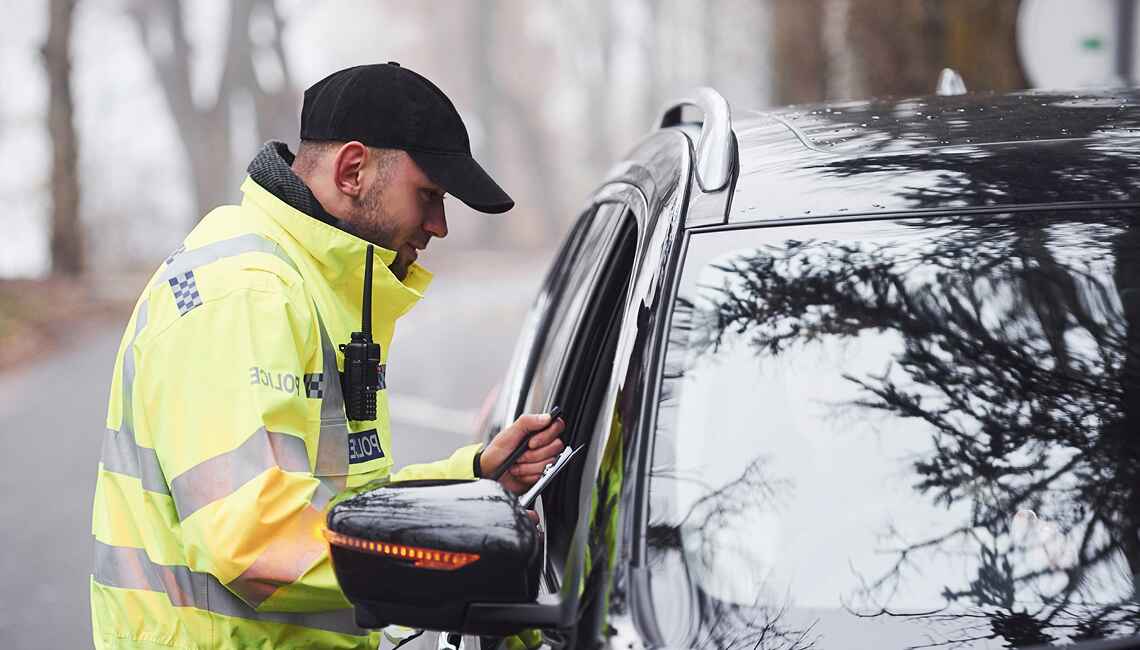
A constable may require a person to co-operate with any one or more preliminary tests if they reasonably suspect that the person –
- is driving, is attempting to drive or is in charge of a motor vehicle on a road or other public place, and has alcohol or a drug in his body or is under the influence of a drug; or
- has been driving, attempting to drive or in charge of a motor vehicle on a road or other public place while having alcohol or a drug in his body or while unfit to drive because of a drug, and still has alcohol or a drug in his body or is still under the influence of a drug; or
- is or has been driving, attempting to drive or in charge of a motor vehicle on a road or other public place, and has committed a traffic offence while the vehicle was in motion; or
- an accident occurs owing to the presence of a motor vehicle on a road or other public place, and a constable reasonably believes that the person was driving, attempting to drive or in charge of the vehicle at the time of the accident.
Preliminary drug test at the roadside
The preliminary drug test is conducted by a police officer by either obtaining a specimen of sweat or saliva (the most common being the latter) with the purpose of obtaining an indication whether the suspect has a specified controlled drug in his body and whether it is likely to exceed the specified limit for that drug.
Types of roadside drug tests
There are two types of Home Office type approved roadside drug testing devices used by the police in England and Wales:
- Dräger DrugTest 5000; and
- Securetec DrugWipe 3S S303G.
Both of the above tests are approved for the use of the initial screening that indicates whether a person has either cocaine or delta-9 tetrahydrocannabinol (the main active ingredient of cannabis) in their body.
Dräger DrugTest 5000
 This device is used by placing the top part of the collector between the suspect’s cheek and gums until the indicator signals the end of sampling. The encapsulated test is then returned to the officer who then slides the cassette into the cartridge into the Analyzer situated within the police vehicle. The result will be displayed after a few minutes.
Securetec DrugWipe 3S S303G
 In case of the DrugWipe the subject will be asked to rub the tip of the tongue along very bottom of the left cheek 3 times and then the bottom of the right cheek also 3 times and finally the suspect will be asked to stick their tongue out and stroke the blue sampler along the tip of their tongue, firstly down the left then the middle and then the right.
The test is then returned to the officer who must turn the test over and check the colour change from red to yellow on the three pads situated underneath.
The test should provide a result within 8 minutes.
What if my test is positive for cocaine or cannabis or both?
 If the test result is positive for either or both tested specified substances the officer will inform you of this and should show you the result.
The police officer should then recite the caution and place you under arrest for suspicion of drug driving or driving whilst unfit through drugs or the lesser “in charge” offence. If you refuse to provide the swab, you will instead be arrested for refusing to provide the roadside swab.
Following arrest the suspect should be taken to the nearest police station or if there are medical concerns, to a hospital, for the purpose of taking a blood sample which would then be send off to a laboratory for analysis.
As the blood analysis process takes some time, the suspect is typically released under the investigation whilst the police await the result of the blood test. It could take as long as 6 months before the result of the analysis is communicated.
What if my test is negative but the police still suspect that I am under an influence of a drug(s)?
If your roadside drug test was negative, but the police still have a suspicion that you might be under the influence of drugs, they can request you to comply with a roadside impairment test. If you fail the impairment test, because of how you performed during the test, the police might decide to arrest you, under suspicion of driving whilst unfit through drugs.
The police will ask you to perform a number of tests, and they will record their observations on an appropriate form MGDD/F. The tests include:
- Pupillary examination
- The Modified Romberg Balance Test
- Walk and Turn Test
- One Leg Stand
- Finger to Nose Test
Based on the outcome of above tests, and their knowledge of your driving and demeanour, the police officer form an opinion whether there is sufficient evidence to arrest you, even if you have passed an earlier drug test.
Again, following arrest, the suspect should be taken to the nearest police station or if there are medical concerns, to a hospital, for the purpose of taking a blood sample which would then be send off to a laboratory for analysis.
Why Blood only?
 The specified limits for drugs are only applicable in relation to blood samples. This is why the police do not have to refer to the possibility of you providing a urine sample.
It is possible for the police to collect a urine sample when they are investigating the older offence of driving whilst unfit through drugs but they would also need to prove that you were impaired by the presence of the drug in your system.
There is no requirement to prove any impairment if your blood sample is over the prescribed limit.
Time Limits
If arrested for most drug driving related offences, in simple terms, there is a 6 month time limit for the prosecution against you to commence.
If also under investigation for other more serious offences such as dangerous driving, no time limit applies to this.
What if my blood result is positive?
If your blood result comes back as positive, the police will most likely charge you with the relevant offence.
The minimum sentence for a first time drug driving offence is a 12 month obligatory disqualification from driving and a fine. However, depending on the seriousness of the offence and any aggravating features, the court could also consider a lengthier disqualification, community orders or even a prison sentence of up to 6 months.
How we can help you?
The legal team at Geoffrey Miller Solicitors have extensive experience of successfully defending clients facing drug driving charges. If you have decided to plead guilty, we can also help you to make sure that the best possible outcome is achieved.
If you are currently waiting to hear back from the police with the result of your blood test or you have been charged and awaiting your first hearing before the Magistrates’ Court, contact us and we will be happy to provide you with free and confidential legal advice and explain how we can help you in your case.











Add comment