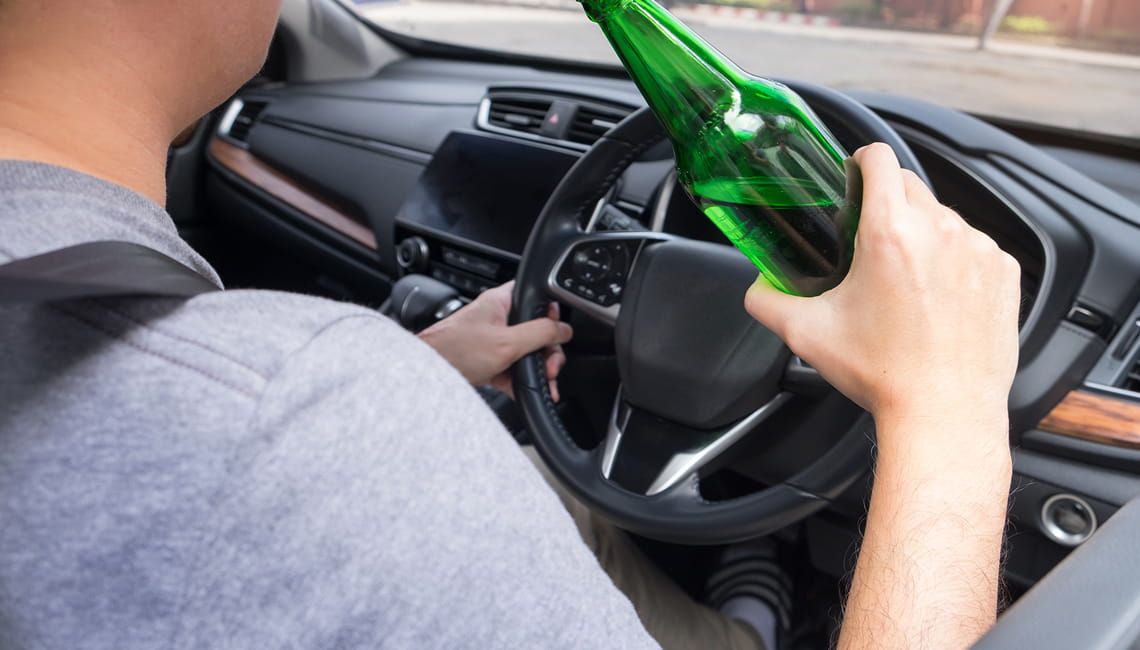
Motorists could face roadside drug tests under plans to reduce the number of drivers getting behind the wheel while intoxicated.
Police could be using a device within the next two years to detect illegal substances in saliva.
With random breath tests for alcohol already being considered by the Government, spot checks for illegal substances could also be introduced.
Ministers are hoping the new equipment will help them tackle the growing menace of “drug-driving”.
In addition to their own drug detector, the Home Office will also announce a deal in the next fortnight with a private contractor to develop a roadside device that is also capable of detecting legal drugs, such as sleeping tablets, which can impair driving.
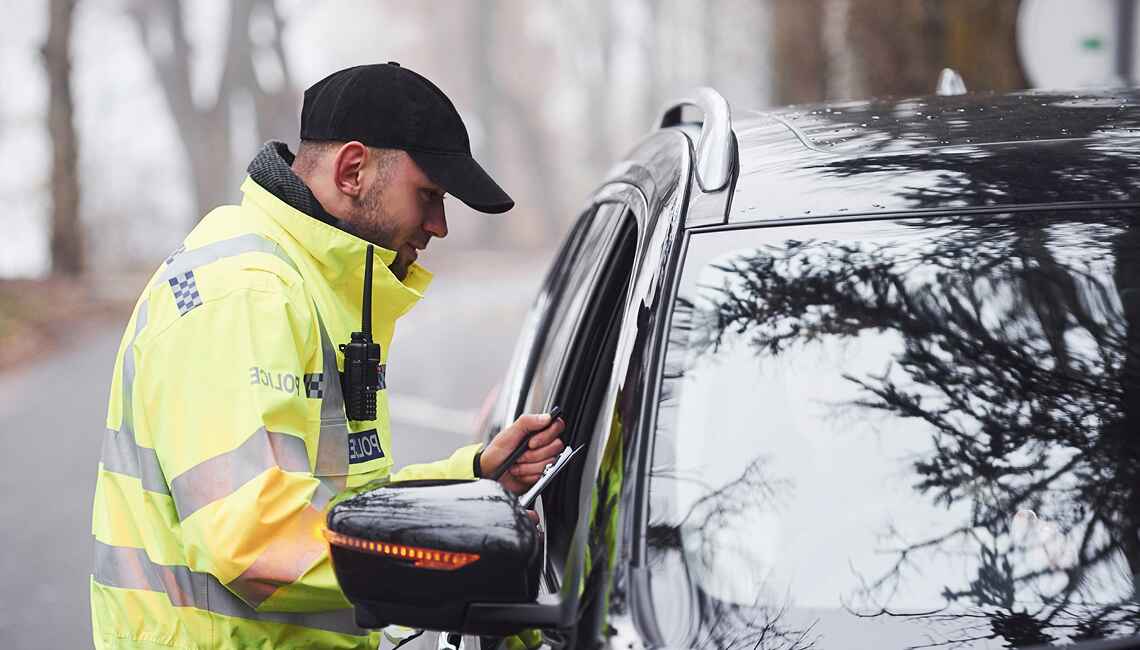
At present, officers can stop a motorist who they believe may have taken drugs.
The normal procedure is to carry out a “field impairment test”, which measures co-ordination by a variety of exercises including standing on one leg, walking in a straight line and counting out 30 seconds. A motorist who appears incapable of performing these tasks faces arrest.
The driver is taken to a police station where a police surgeon takes blood samples after agreeing that the motorist seems impaired. The results of these tests lead to a prosecution.
The Home Office, which regards the present roadside co-ordination tests as crude, believes that technology will provide more accurate results.
Its scientists have been working on a device which can detect a number of drugs, including cocaine and amphetamine, in saliva.
It is understood to be near completion and ready to be brought before international experts for verification.
A motorist failing a “drugalyser” would automatically be taken to a police station for a blood test.
The extent of drug-driving is difficult to estimate, but in 2005, the last year for which figures are available, 363 motorists were convicted of driving while under the influence of drugs.
Another 28 were found guilty of being in charge of a vehicle while impaired through drugs.
However, it is believed that these figures grossly underestimate the number of drivers who get behind the wheel after taking illegal substances.
A Scottish Executive survey of drivers aged 17 to 19 found that nine per admitted having taken drugs in the previous 12 months. Six per cent admitted having driven while under the influence.
“Recognising drug-driving is a big problem,” said Robert Gifford, of the Parliamentary Advisory Council for Transport Safety.
“Firstly we don’t have the technology which can identify all drugs. Also drivers who are under the influence will often try to disguise it by having a small amount of alcohol.
“That means that when they are stopped and an officer smells alcohol, they take a breath test, which they pass.”
Even with a Government-approved drugalyser, other obstacles remain.
There is no legal limit for drug use, but setting a zero level could present other problems.
While cannabis can stay in the blood for several weeks, a defence lawyer could argue that an illicit joint smoked a fortnight previously could not be held to have had any impact.
For more information about drug driving or driving whilst unfit, please visit our dedicated page detailing the services we offer to those facing prosecution for this offence.
Geoffrey Miller Solicitors are specialists defending drivers nationwide for all types of driving offences. Call our team of expert driving offence solicitors for some free initial advice.
You can also book an appointment with Jeanette Miller a.k.a. Miss Justice using our online booking system. If Jeanette is unavailable for your preferred date and time you can book an appointment with a member of our legal team. Please have as much information about your enquiry before the call e.g. Date of Hearing, Paperwork etc.
Dr Joelle Grogan from The Law Show interviews Jeanette Miller on BBC Sounds to ask if its legal to drive
Watch our latest interview between Jeanette Miller and FCA expert, Clementine (Clemmie) Bowyer Director at Effecta Compliance Limited. Clients
Jeanette Miller talks about the DVLA delays in processing driving licence applications on Watchdog on the One Show. The Driver and Vehicle Licencing
Jeanette Miller talks to BBC Breakfast News regarding motorists still driving with 12 or more points on their licence due to exceptional hardship.
Jeanette Miller talks live on the #BBCBreakfast couch about those pesky parking notices! The Ombudsman says appeals process is unclear and looks like
New drug driving laws will come into effect on March 2nd 2015. Jeanette Miller aka “Miss Justice” talks to BBC Breakfast about the new
Jeanette Miller talks to BBC Breakfast about private car parks charges and the current RAC report. Jeanette states that 45% of appeals was won in
Managing Director, Jeanette Miller appeared on BBC’s Panorama discussing traffic
Were Eric Pickles’ proposals to relax parking rules, simply political spin or are they workable sensible suggestions?! Motoring expert,
Jeanette Miller of Geoffrey Miller Solicitors appeared on BBC Breakfast News on 26th December discussing the proposed changes to drink drive laws in
Geoffrey Miller Solicitors are specialists defending drivers nationwide for drink driving offences, drug driving offences, dangerous driving,
Leading motoring law solicitor, Jeanette Miller from Geoffrey Miller Solicitors discusses why many drivers continue to drive while using a mobile
Jeanette Miller talks to BBC Radio Essex about car number plate cloning which is on the rise with 12,300 instances between Jan 2021 and Sept
Jeanette Miller is interviewed on LBC Radio discussing penalty points you can receive for not wearing a
Are we going to be ready for self-driving cars by the end of the year? Jeanette Miller talks to LBC Radio about self driving cars which could be
MD Jeanette Miller talks to Nick Ferrari on LBC Radio about the government consultation to introduce Automated Lane Keeping System (ALKS) technology
Jeanette Miller talks to BBC Radio Wales about what should the punishment be for motorist who speed excessively and should the law for speeding be
BBC Radio Kent interview with Jeanette Miller to discuss the drink driving limit and education towards drinking and
Britain’s road policing chief says you should be punished if you break the speed limit by just one mile per hour. Jeanette discusses the potential
Listen to Managing Director, Jeanette Miller, discussing the war between motorists and cyclists on BBC Three
Jeanette Miller is interviewed by BBC Surrey and talks about drink driving and should the drink driving limit be lowered or even to zero. Campaigns
Jeanette Miller talks to BBC Three Counties Radio station about parking fines. The local government Ombudsman says that local councils are hitting
Jeanette Miller aka “Miss Justice” talks to BBC Radio Wales regarding if the festival goers are entitled to any compensation. Hundreds of
Jeanette Miller talks about accidents and near misses caused by being distracted at the wheel by technology. Cars today have more modern gadgets such
Add comment