
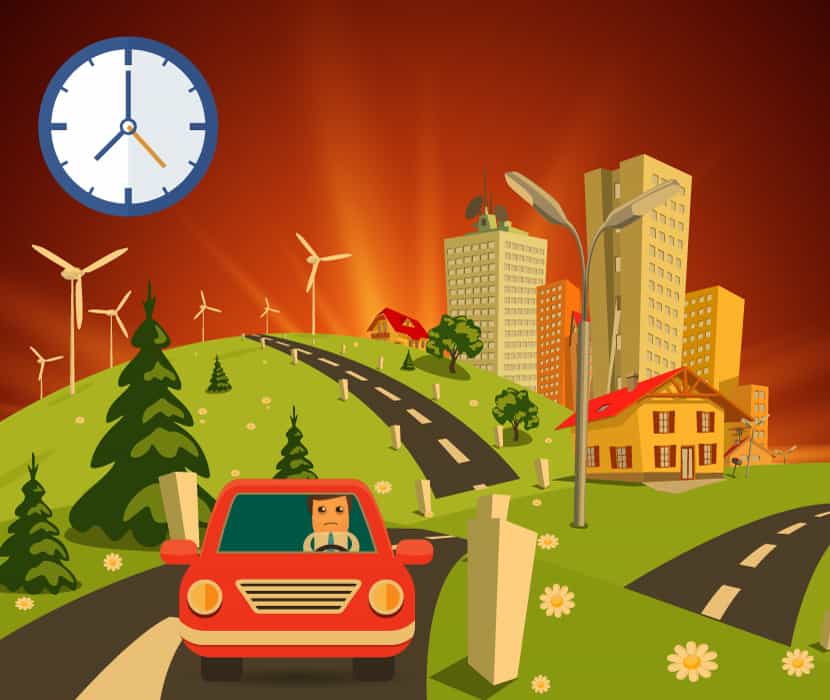
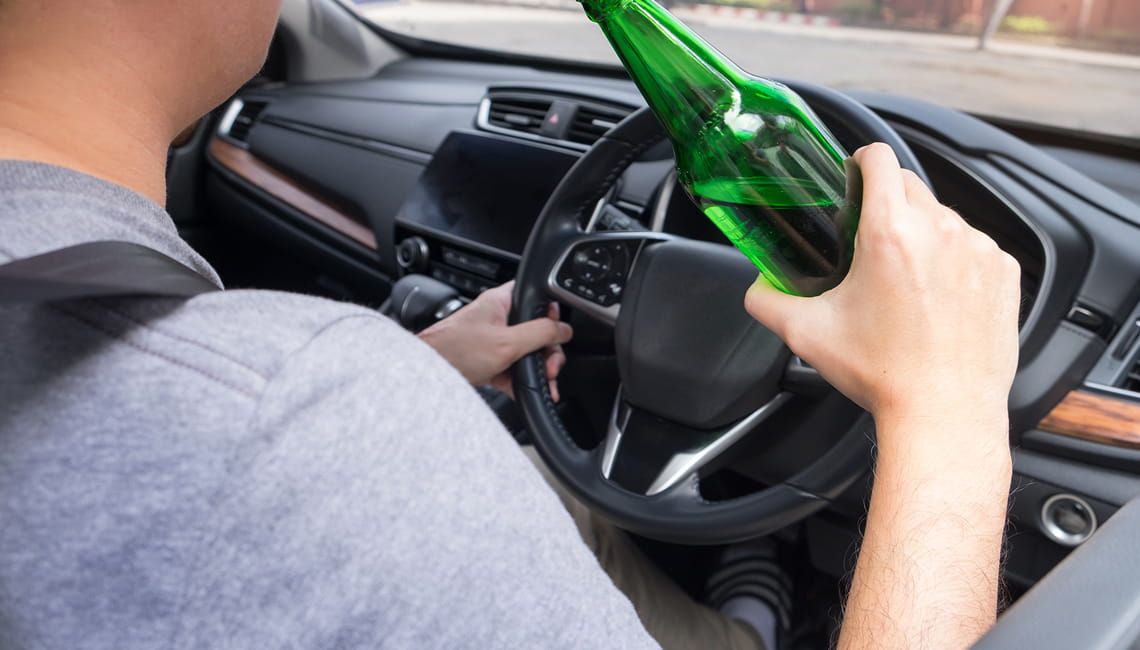
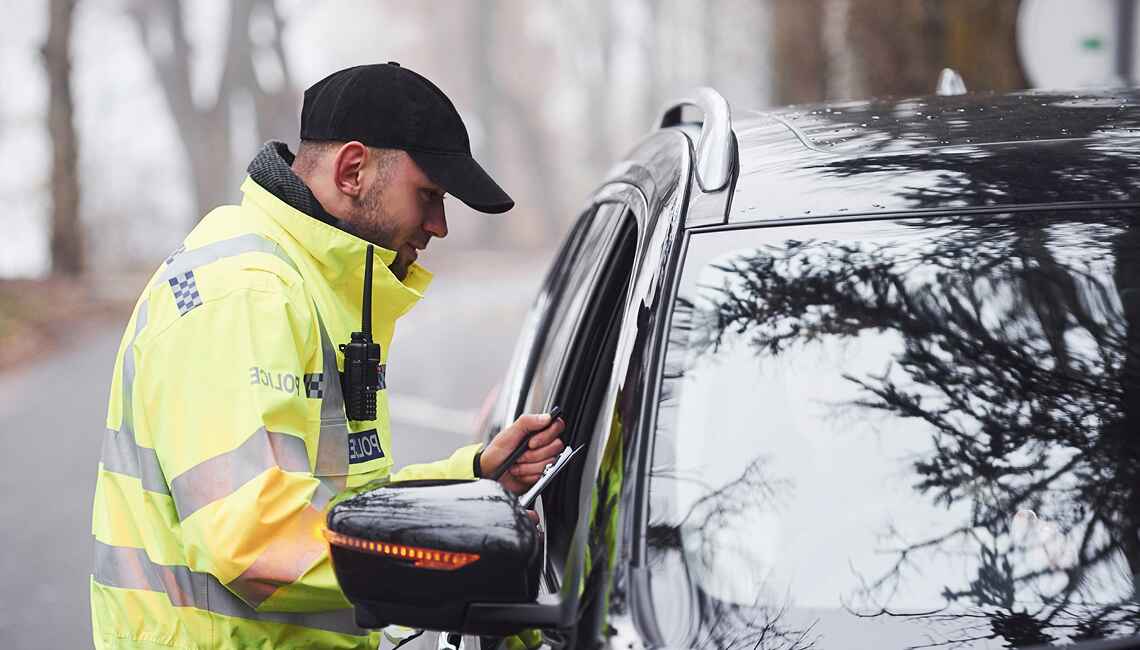
It might surprise you to know that almost 1 in 5 of the 90,000 drivers convicted of drink driving last year are on their way to, or are at work the next day.[1]
In 2011 more people failed breath tests between the hours of 6am and 11am than during the hour before or after midnight (ACPO).[2]
There are many common misconceptions about being able to drive the morning after a night of drinking. You might be lucky enough to ‘feel fine’ after a night of drinking but that doesn’t mean you will be legally able to drive and you might still be over the drink drive limit, and ‘feeling fine’ isn’t a defence to drink driving.
On average, your body can process 1 unit of alcohol an hour. The NHS have stated that the speed at which your body processes alcohol can depend on your size, gender, age, the state of your liver, your metabolism, how much food you have eaten, the type and strength of the alcohol you’ve consumed and whether you’re taking medication. All of these facts play a part in how quickly your body can get rid of the alcohol.[3]
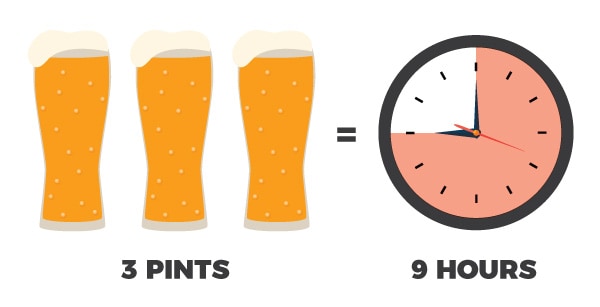
So for example, if you go out and drink three pints from 10pm until 12am, this would equate to roughly 9.2 units. If your body roughly removes alcohol from your body at 1 unit an hour, you would have to wait at least 9 hours until you drove in the morning. The longer you leave it, the lesser the chances of having the alcohol in your system in the morning[4]
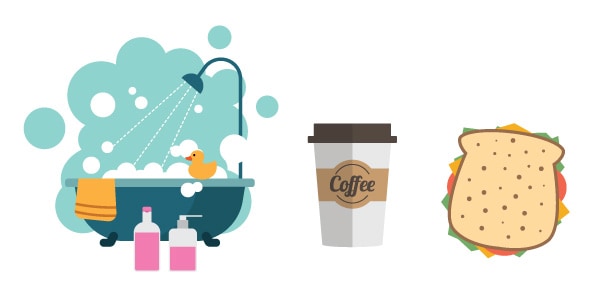
Being able to drive after a cold shower followed by a coffee & and a bacon sandwich in the morning is a myth! Although these things might make you feel better and a little less physically hungover, they have nothing to do with the amount of alcohol still remaining in your body and will not speed up the process of the alcohol leaving your body.
You might feel like you’ve had a good sleep, however sleeping doesn’t have an influence on the rate at which alcohol leaves your bloodstream. Research[5] suggests that people don’t understand that just because they’ve been to sleep, it doesn’t mean they are no longer affected by alcohol.
However, you will be relieved to know that there are some steps you can take when on a night out if you know you have to drive in the morning to ensure you remain compliant with the law.
- drinking alcohol with lower percentages, e.g. some alcopops
- drinking single rather than double measures; and
- drinking water between each alcoholic drink.
MYTH ALERT
A ‘big meal’ before you go out will not stop you getting drunk. A meal before you go out drinking delays alcohol getting into your system, but doesn’t prevent it. A meal will only delay the rate of absorption, and foods high in protein and carbohydrates are the best to have before a night of drinking[6].
Unfortunately there is nothing that can be done to speed up the process of alcohol leaving your body. It is a case of waiting it out, and if you know you need to be driving in the morning, be sure to have your last drink early in the evening. If you are unsure, it might be best to ring a taxi, as you’re better being safe than sorry. If you are found guilty of drink driving, whether you are caught in the morning or a couple of hours after drinking, you may get an unlimited fine, a driving ban for at least 12 months and a criminal record. The timing of when you’re caught doesn’t matter when it comes to the minimum penalty applicable.
[1]Figures from drinkdrive.org.uk
[2]Figures from morning-after.org.uk
[3]NHS.co.uk
[4]These are rough estimates and it would be up to you to keep a track of how many units you have had and how long you should leave it before driving in the morning
[5]Institute of Advanced Motoring
[6]NHS.co.uk










Add comment