

Whether it be the continuing advancements in technology, or the controversy between different companies and their driverless cars, it seems like every day there is something new to read about driverless cars in the media. The United Kingdom has been at the forefront of allowing testing for these vehicles due to a historical fortunate turn of events which could not have been predicted at the time. By not signing an international road traffic act in 1968, the United Kingdom found itself without barriers in testing driverless car technology, while other European countries hurried to amend the act so they could compete in the race to further test this technology.
The United Kingdom’s government has also just passed a bill which addresses driverless cars insurance and liability demonstrating a clear intention to continue to be at the forefront of the exciting industry.
It is easy to see the benefits of driverless cars, and understandable as to why many are keen on seeing further progression of the technology behind them. It is proposed that they will allow for more productivity on your drive to work, offer greater mobility to those who otherwise couldn’t drive, and even allow you to turn away from the road to have a conversation with people in the back seat.
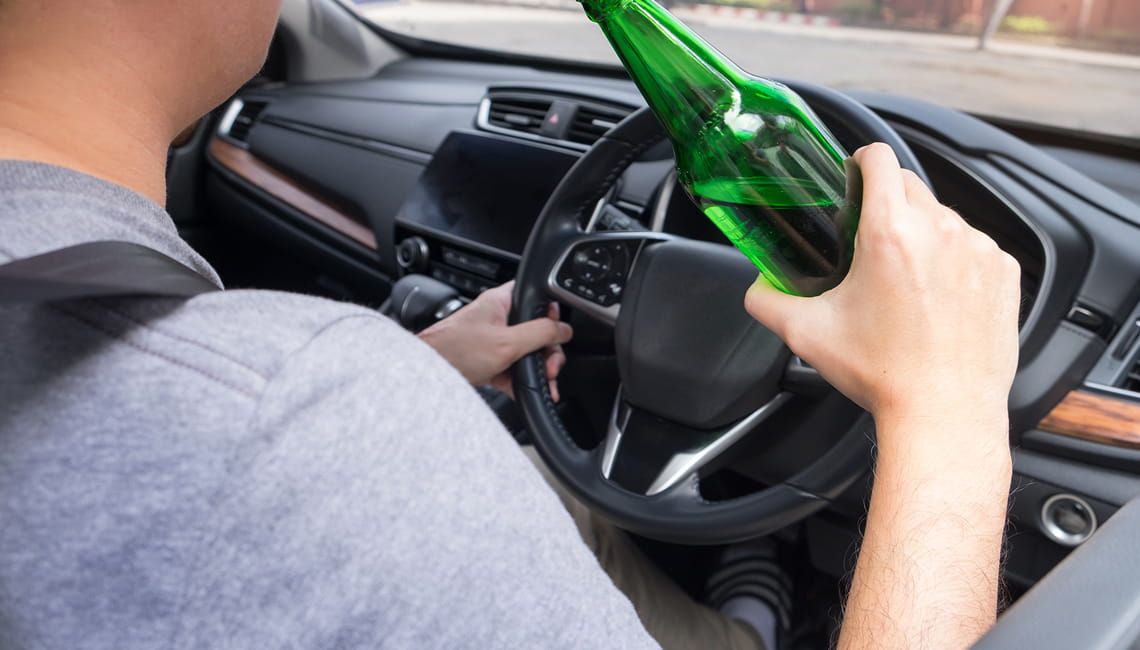
Many websites and articles have even claimed that in the future, driverless cars will allow drivers to drink well past the legal limit and just have their cars drive them around! Though the name “driverless car” would give you the impression that this would be possible, we doubt this will happen anytime soon.
The fact of the matter is, driverless cars fall into two categories:
Semi-autonomous
AND
Fully Autonomous
Current Development
The current development that is being undertaken is primarily in relation to semi-autonomous driverless cars. This means that when the car cannot perform a task, it will still require the driver to take back over control of the vehicle. It is because of this human control interface that it is highly unlikely, regardless of what the media or other articles say, that you will be able to drink alcohol and allow your driverless car to drive you home. As the current laws stand, even if you never drove the vehicle, were in the passenger’s seat, drunk, you would still likely face a drink driving or a drunk in charge prosecution.
The only time we would ever perhaps not see this as a possibility, is if the car was fully autonomous and didn’t have an option for a human to take over the controls. However, further clarification will definitely have to be added to the law for a full understanding of when a person stops being the “driver”.
Problems Driverless Cars Face
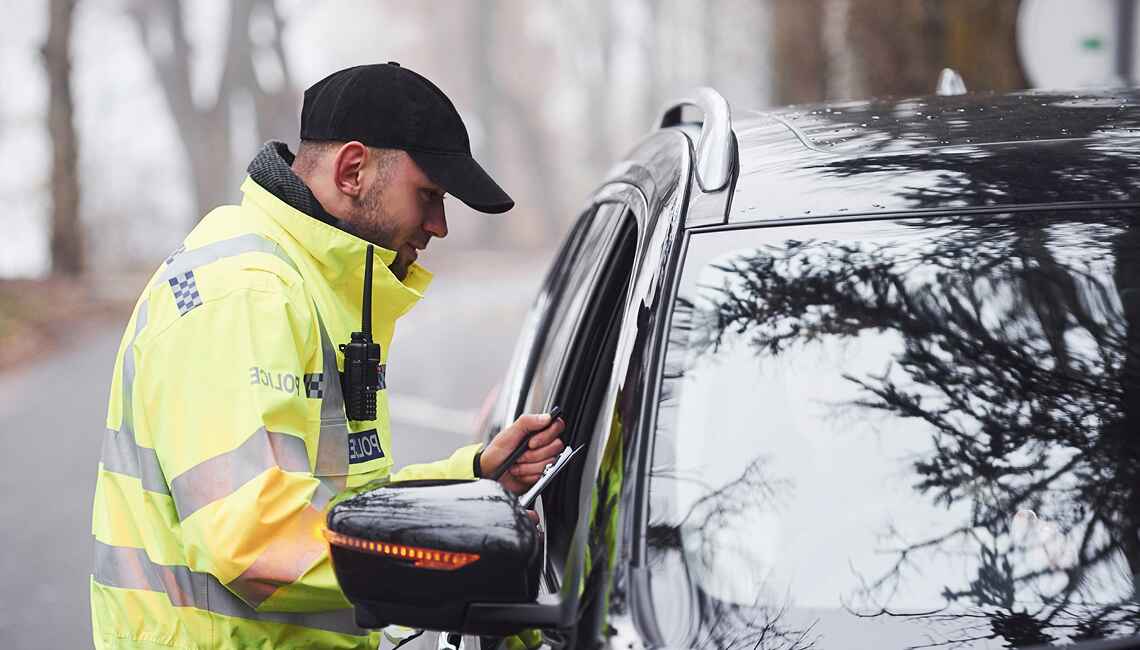
Companies such as Google and Uber who are creating these autonomous cars will face is ultimately that their technology will most likely progress faster than the law will. For these semi-autonomous, or even fully autonomous vehicles, many laws will have to be amended, or new laws will have to come into place. Take for example, a driver reading their mobile phone, and a police officer pulls them over, only to find out the car was in autonomous mode, will the driver still be required to pay attention to his surroundings? The current mobile phone offence and the offence of driving without due care and attention would say so!
Misleading Terminology
As it stands, the terminology that is being used in the media is quite misleading to motorists nationwide. A study conducted by Co-operative Insurance shows that 22% of young drivers believe that when these “driverless” cars come into production, they will be allowed to drink behind the wheel. Imagine if you will these cars as an airplane. The system is the Pilot, but you will be his co-pilot, ready to take over when need be. This means sleeping, and drinking alcohol is not a realistic possibility.
Moving Forward
Before these vehicles are truly implemented into our day to day lives, it is clear that the law, and really the public will have to be made aware of how these vehicles relate to our legal system. It is also blatantly clear that drivers will need to be made more aware of what they can and cannot do while at (or next to!) the wheel. Don’t assume like this Tesla driver, that sleeping while behind the wheel is alright. Without the proper amendments to the law, and implementation of technology in the vehicles, sleeping, texting, and even drinking behind the wheel is going to lead to numerous legal consequences and whilst we are usually able to resolve most challenges, we are not confident that a defence of “it was my car’s fault!” will wash with the courts just yet!












Add comment